
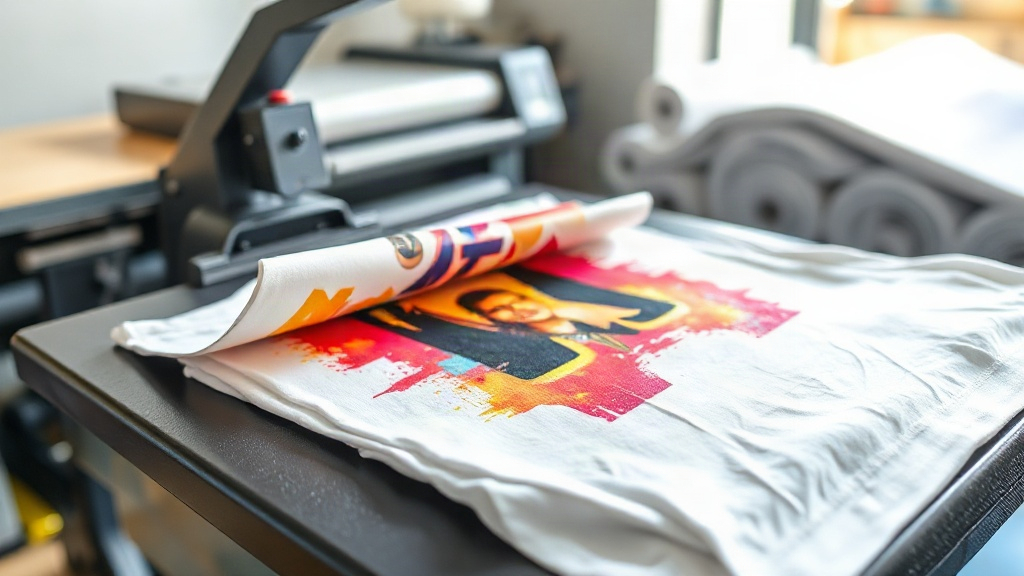
If you've been exploring custom apparel printing, you've likely come across DTF Transfers. This technology has rapidly gained popularity for its versatility and vibrant results. Unlike traditional methods, DTF transfers allow you to print full-color designs on a wide range of fabrics without the need for special pretreatment or weeding. Whether you're a small business owner, a hobbyist, or just curious about customizing your own clothes, understanding DTF transfers can open up a world of creative possibilities. In this guide, we'll walk you through everything you need to know, from the basics to pro tips, so you can achieve professional-looking prints at home or in your shop.
What Are DTF Transfers?
DTF stands for Direct to Film. It's a printing method where your design is printed onto a special film, coated with a powder adhesive, and then heat-pressed onto the fabric. The process involves a few key steps: printing, powdering, curing, and pressing. The result is a transfer that bonds permanently to the material, offering excellent durability and stretchability. Unlike DTG (Direct to Garment) printing, DTF transfers can be used on dark and light fabrics, and they work on materials like cotton, polyester, blends, and even leather. This flexibility makes them a favorite among crafters and professionals alike.
Why Choose DTF Transfers?
There are several reasons why DTF transfers have become a go-to solution for custom apparel. First, they offer incredible color vibrancy. The inks used in DTF printing are pigment-based and produce bright, opaque colors that pop on any background. Second, DTF transfers are extremely durable. When applied correctly, they withstand repeated washing without cracking, peeling, or fading. Third, they require no weeding or masking, saving you time and effort compared to vinyl cutting. Finally, DTF transfers are cost-effective for short runs and complex designs. You can print multiple designs at once, and there's no minimum order quantity. This makes them ideal for small businesses, personalized gifts, or one-off projects.
How to Apply DTF Transfers: Step-by-Step
Applying DTF transfers is straightforward, but following the right steps ensures a flawless finish. Here's a detailed guide to help you get it right every time.
Step 1: Prepare Your Workspace
Set up your heat press in a well-ventilated area. Make sure the press is stable and the platen is clean. Preheat your heat press to the recommended temperature, usually between 300°F and 325°F (150°C to 160°C). While it heats up, organize your materials: the DTF transfer, the garment, and a heat-resistant sheet or parchment paper.
Step 2: Preheat the Garment
Preheating the garment removes moisture and wrinkles, which can affect adhesion. Place the garment on the platen and press for 5-10 seconds. This step is especially important for cotton fabrics, as they tend to hold moisture. After preheating, smooth out any wrinkles with your hand or a lint roller.
Step 3: Position the Transfer
Place the DTF transfer face down on the garment. The design should be touching the fabric. If you're using a transfer with a carrier film, make sure the film side is up. Use heat-resistant tape to secure the transfer if needed, especially for small pieces or intricate designs.
Step 4: Press the Transfer
Apply firm pressure with your heat press. The exact time and pressure depend on your transfer and fabric, but a good starting point is 15-20 seconds at medium-high pressure. Avoid using too much pressure, as it can cause the design to spread or the adhesive to bleed. If you're using a home iron, press firmly and move slowly, but keep in mind that a heat press yields more consistent results.
Step 5: Peel the Carrier Film
After pressing, allow the transfer to cool completely before peeling off the carrier film. This is known as a cold peel. If you peel while hot, the design may stretch or separate from the fabric. Once cool, slowly peel the film at a low angle. If any part of the design lifts, press it again for a few seconds.
Step 6: Post-Press for Durability
For added durability, cover the design with a heat-resistant sheet and press again for 5-10 seconds. This second press ensures the adhesive fully cures and bonds with the fibers. It's a step many beginners skip, but it makes a significant difference in washability.
Common Mistakes to Avoid with DTF Transfers
Even with the best instructions, mistakes happen. Here are some common pitfalls and how to avoid them:
- Insufficient pressure: Without enough pressure, the transfer won't adhere properly. Use a heat press that allows you to adjust pressure, and test on a scrap fabric first.
- Wrong temperature: Too hot and the film may melt or the design may scorch; too cold and the adhesive won't activate. Always check the transfer supplier's recommendations.
- Peeling too soon: Patience is key. Let the transfer cool completely before peeling. If you're unsure, wait a full minute.
- Not preheating the garment: Moisture is the enemy of adhesion. Preheating removes moisture and ensures a smooth surface.
- Using the wrong fabric: While DTF works on many materials, some fabrics like nylon or waterproof coatings may require special low-temperature transfers. Always test first.
DTF Transfers vs. Other Printing Methods
How do DTF transfers stack up against other popular printing techniques? Let's compare:
- DTF vs. DTG: DTG is great for cotton, but DTF works on more fabrics and produces more vibrant colors on dark garments. DTF also requires less maintenance.
- DTF vs. Vinyl: Vinyl is limited to one color per layer and requires weeding. DTF allows full-color designs with no weeding, making it faster for complex artwork.
- DTF vs. Screen Printing: Screen printing is cost-effective for large orders but has setup costs and is impractical for small runs. DTF has no minimums and is perfect for short runs.
- DTF vs. Sublimation: Sublimation only works on polyester and light-colored fabrics. DTF works on almost any fabric and any color.
Tips for Perfect DTF Transfers Every Time
To ensure your DTF transfers look professional and last, follow these expert tips:
- Choose quality transfers: Not all DTF transfers are created equal. Purchase from reputable suppliers who use high-quality films and inks. Cheap transfers may fade or crack quickly.
- Store transfers properly: Keep unused transfers in a cool, dry place, away from direct sunlight. Humidity can affect the adhesive powder.
- Test your settings: Every heat press is different. Test with a small design on a scrap fabric to dial in the perfect temperature, pressure, and time.
- Use a Teflon sheet or parchment paper: This protects the transfer and your heat press from ink transfer and scorching.
- Wash garments inside out: To prolong the life of your DTF prints, wash in cold water and tumble dry low. Avoid fabric softeners and bleach.
Frequently Asked Questions About DTF Transfers
Can I use DTF transfers on 100% polyester?
Yes, DTF transfers work well on polyester. However, polyester is heat-sensitive, so you may need to lower the temperature to around 280°F to 300°F and reduce pressing time to avoid scorching or dye migration. Always test on a small area first.
How long do DTF transfers last?
When applied correctly and cared for properly, DTF transfers can last as long as the garment itself. They withstand dozens of washes without fading or cracking. Following the washing instructions is key to longevity.
Do I need a special printer for DTF transfers?
Yes, DTF printing requires a dedicated DTF printer that uses pigment inks and a film roll. However, if you're not ready to invest in a printer, you can buy pre-printed DTF transfers from suppliers and apply them with a heat press.
What is the best temperature for DTF transfers?
The ideal temperature range is typically 300°F to 325°F (150°C to 160°C). However, this can vary based on the transfer manufacturer and fabric type. Always refer to the instructions provided with your transfers.
Can I stretch DTF transfers?
DTF transfers have some stretchability, making them suitable for athletic wear and stretchy fabrics. However, excessive stretching can cause cracking over time. For best results, choose designs that don't require extreme stretch and avoid overstretching the garment when wearing.
With this guide, you're well on your way to mastering DTF Transfers. Remember, practice makes perfect, so don't be afraid to experiment with different fabrics and settings. Whether you're creating custom t-shirts for your team or starting a print-on-demand business, DTF transfers offer a reliable and versatile solution. Happy printing!