
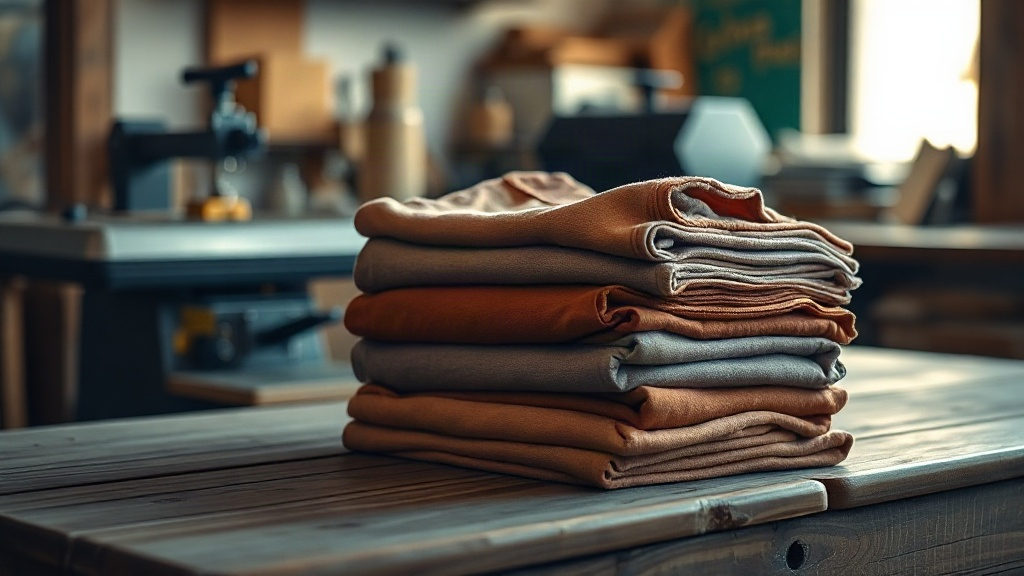
Walk into any print shop, skate shop, or custom apparel studio and you will likely spot a stack of shaka wear tees somewhere near the counter. They are not flashy. They do not rely on loud logos or limited-edition hype. Instead, Shaka Wear built its following the old-fashioned way: by making a blank that feels substantial, holds its shape, and takes screen printing and DTF transfers without fuss. For anyone who cares about how a garment wears after the tenth wash, that reputation matters more than any marketing campaign.
Why Shaka Wear Earned a Place in Streetwear
Shaka Wear started in Los Angeles, a city where casual style is practically a uniform. The brand focused on heavyweight cotton basics at a time when many mainstream tees were getting thinner and cheaper. That decision resonated with skaters, tattoo artists, and print shops that needed a canvas reliable enough to carry their own work.
The appeal is straightforward. A Shaka tee typically weighs more than a standard department-store shirt, which gives it a structured drape and a premium hand feel. The fabric is dense enough to hide undershirt lines but still breathable in warm weather. Over time, that combination turned the brand into a quiet staple rather than a trend.
What Makes the Fabric Different
Most Shaka Wear tees use 100% cotton, often in the 6 to 7 ounce range. That weight puts them closer to vintage sportswear than to fast-fashion basics. The cotton is usually ring-spun, which means the fibers are twisted more tightly before spinning. The result is a smoother surface that accepts ink well and resists the fuzzy pilling that cheaper shirts develop after a few washes.
Another detail is the shoulder-to-shoulder taping. This reinforces the neckline and helps prevent the stretched-out collar that ruins so many otherwise good tees. If you have ever pulled a shirt out of the dryer and found the neck looking warped, you already understand why this matters.
How to Choose the Right Shaka Wear Piece
Shaka Wear offers more than one cut, and the differences matter depending on how you plan to use the garment. Before ordering, think about whether you want a classic fit, a relaxed streetwear silhouette, or a longline style for layering.
- Classic crew neck: A standard fit that works for everyday wear and most printing projects. It sits close to the body without being tight.
- Oversized or drop-shoulder: A boxier cut with more room through the chest and sleeves. Ideal for bold graphics and a modern streetwear look.
- Longline tee: An extended hem that layers well under jackets or hoodies. Popular for taller wearers or anyone who prefers extra coverage.
- Heavyweight pocket tee: Adds a functional detail and a bit more visual interest without relying on print.
Fabric weight is another factor. If you plan to print with DTF transfers, a heavier shirt gives the transfer a stable surface and helps prevent the design from cracking. For summer wear, a midweight option may feel more comfortable. There is no single correct choice, only the one that matches your climate and your purpose.
Fit and Sizing Tips
Shaka Wear tends to run slightly larger than some fast-fashion brands, especially in the oversized styles. If you are between sizes and want a closer fit, consider sizing down. If you prefer a relaxed look, stay true to size or size up for an even boxier silhouette. Checking the specific product measurements is always smarter than guessing, because cuts can vary between models.
Also consider shrinkage. Cotton can shrink slightly after the first wash, particularly if you use high heat. Washing cold and drying low will minimize surprises and keep the fit closer to what you tried on.
Printing and Customizing Shaka Wear
One reason print shops keep Shaka Wear in stock is that the fabric behaves well under heat and pressure. DTF transfers, screen printing, and vinyl all adhere reliably when applied correctly. The tight weave means less ink bleed, so fine lines and small text stay crisp.
That said, preparation still matters. Pre-pressing the shirt removes moisture and wrinkles, which helps the transfer bond evenly. Following the transfer manufacturer's temperature and pressure settings prevents scorching and improves durability. A shirt is only as good as the application, and even a premium blank can fail if the heat press is set wrong.
DTF Transfers on Heavyweight Cotton
Direct-to-film transfers work especially well on cotton because the adhesive powder bonds to the fibers. On a heavyweight Shaka tee, the result is a design that feels integrated rather than sitting on top of the fabric. For best results, use a lint roller before pressing, apply firm pressure, and peel according to the film instructions. Let the shirt cool completely before stretching or wearing it.
If you are printing for a small brand or a personal project, testing on one shirt first saves time and material. Every heat press runs a little differently, and a test run tells you more than any generic settings chart.
Caring for Your Shaka Wear Tee
A heavyweight tee can last for years if you treat it reasonably. The goal is to avoid unnecessary abrasion and high heat, both of which break down cotton fibers and printed graphics.
- Turn the shirt inside out before washing to protect the print and the fabric surface.
- Use cold water on a gentle cycle with a mild detergent.
- Avoid fabric softener, which can leave residue that weakens adhesion over time.
- Tumble dry on low or hang dry. High heat is the main cause of shrinkage and cracking.
- Store folded rather than hung if the shirt is heavy, since hangers can stretch the shoulders over time.
Following these steps will not make the shirt indestructible, but it will keep the fit and the print looking better for much longer. A well-cared-for heavyweight tee often looks better after a year than a cheap shirt does after a month.
Frequently Asked Questions About Shaka Wear
Is Shaka Wear true to size?
Shaka Wear generally runs slightly larger than standard fast-fashion sizing, especially in oversized cuts. If you want a fitted look, consider sizing down. For a relaxed fit, order your usual size or go up one for an even boxier feel. Always check the specific product measurements when possible.
Does Shaka Wear shrink after washing?
Because the shirts are made from cotton, some shrinkage can occur, particularly with high heat. Washing in cold water and drying on low or hanging to dry will minimize shrinkage and help preserve the original fit.
Can you print DTF transfers on Shaka Wear tees?
Yes. The heavyweight cotton surface is well suited to DTF transfers. Pre-press the shirt to remove moisture, use the recommended temperature and pressure, and let the transfer cool before peeling. This produces a durable, integrated print.
Are Shaka Wear shirts good for everyday wear?
They are a popular choice for daily wear because the fabric is durable, holds its shape, and has a substantial feel. Many people wear them plain, while others use them as a base for custom printing.
Where are Shaka Wear shirts made?
Shaka Wear is a Los Angeles-based brand, and its products are commonly associated with a West Coast streetwear aesthetic. For specific manufacturing details, check the label on the individual garment.