
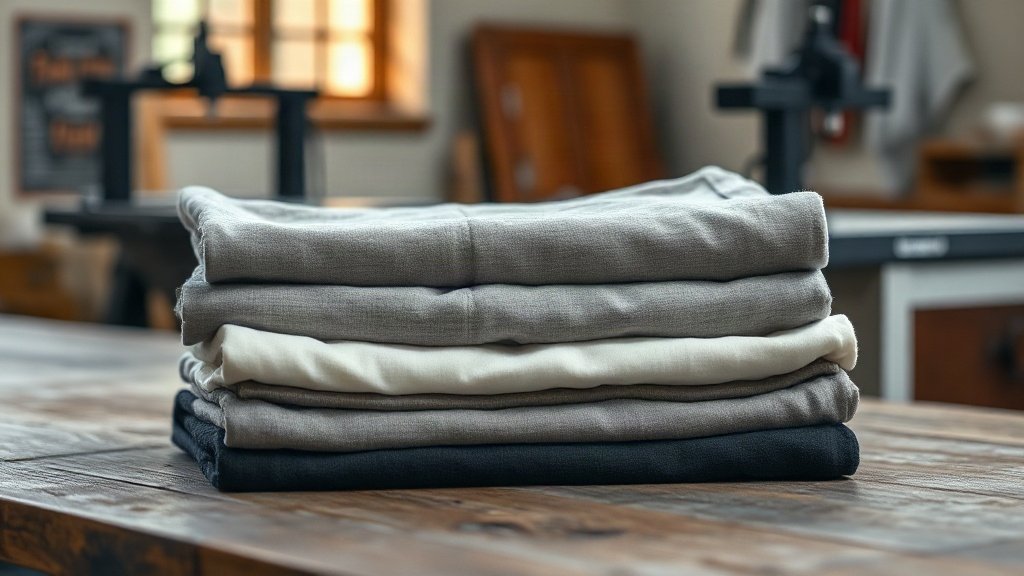
Walk into almost any print shop or streetwear stall and you will eventually spot a stack of shirts with a small, understated label. That label is often shaka wear, a Los Angeles-based blank apparel company that has quietly become a staple for people who care more about fabric weight and fit than about logos. It does not chase hype drops or celebrity endorsements. Instead, it sells plain tees, hoodies, and fleece in bulk and at retail, aimed at printers, small brands, and anyone who just wants a shirt that holds its shape after a dozen washes.
That low-key positioning is exactly why the brand keeps coming up in conversations about affordable streetwear basics. If you have been seeing the name on tags, in wholesale catalogs, or on racks at your local flea market, this guide breaks down what shaka wear actually offers, where it fits in the market, and how to choose the right piece the first time around.
What Shaka Wear Actually Is
Shaka Wear is a blank apparel manufacturer and wholesaler headquartered in Los Angeles. The company produces cotton and cotton-blend garments: t-shirts, long sleeves, hoodies, crewnecks, sweatpants, and a handful of accessories. Its core business is supplying screen printers, embroiderers, and independent clothing labels with garments they can decorate. Alongside that wholesale operation, it also sells directly to consumers through its own online store and through retail partners.
The brand is not trying to be a fashion house. There is no seasonal storytelling, no runway presence, no limited-edition collab calendar. What it does have is a reputation for heavier fabric than the average budget blank and a cut that leans boxy rather than slim. For a lot of buyers, that combination is the whole point.
Where the Brand Sits in the Market
Think of the blank apparel world as a spectrum. On one end you have ultra-cheap promotional shirts that feel thin and lose their shape quickly. On the other end you have premium blanks from brands that charge a noticeable premium for ring-spun cotton and meticulous construction. shaka wear sits closer to the middle, offering a step up in weight and durability without jumping into luxury pricing.
That middle ground is crowded, which is why it helps to know what separates one blank from another before you commit to a bulk order or a single purchase.
Fabric, Fit, and Feel
The most common complaint about cheap t-shirts is that they feel flimsy and turn shapeless after a few trips through the dryer. Heavier cotton helps resist that. Many Shaka Wear tees land in a mid-to-heavyweight range, which gives them a more substantial drape and a bit more structure through the shoulders and chest.
Fit tends to run relaxed. If you are used to slim-cut fashion tees, a Shaka Wear shirt in your usual size may feel roomier than expected. That is intentional. The brand's silhouettes are built around a classic, slightly boxy shape that works well for layering and for the oversized look that has dominated streetwear for years.
How the Garments Hold Up Over Time
Durability depends heavily on how you wash and dry. Cotton garments that are tumble dried on high heat will shrink and lose shape regardless of brand. Cold washing and air drying, or a low-heat tumble, keeps the fabric and the fit closer to how it arrived. In practice, a heavyweight cotton tee that is washed cold and dried low will outlast a thin shirt by a wide margin.
A few things worth checking when your order arrives:
- Stitching along the hem and sleeve cuffs, which should be even and tight
- Whether the shoulder seams sit where you expect them to
- How the collar recovers after you stretch it gently
- Whether the fabric feels consistent across multiple pieces in the same order
These small checks tell you more about real-world quality than any spec sheet.
Why Printers and Small Brands Keep Coming Back
For anyone running a print shop or launching a clothing line, blank selection is a practical decision, not an emotional one. The garment has to take ink or embroidery well, hold up in production, and stay affordable enough to leave room for margin. shaka wear fits that brief for a lot of small operations.
Cotton surfaces accept screen printing, DTF transfers, and embroidery without much fuss. The heavier fabric also handles the heat and pressure of transfer applications better than thin material, which reduces the risk of scorching or ghosting. For heat transfer work in particular, a sturdier cotton base tends to produce cleaner, longer-lasting results.
Pricing and Ordering Realities
Wholesale pricing is tiered, meaning the more you order, the lower the per-unit cost. Minimum order quantities vary by product and by distributor, so it pays to check current terms before planning a run. Retail pricing on single pieces is higher, as you would expect, but still lands in the affordable range compared to premium blanks.
Inventory can fluctuate. Popular colors and sizes sell out, especially during busy production seasons. If you are planning a large run for a specific date, ordering early and confirming stock is far less stressful than scrambling at the last minute.
How to Choose the Right Size and Style
Because the fits run relaxed, the safest approach is to start with one piece before buying multiples. Wear it, wash it, and see how it settles. Only then commit to a larger order.
A simple way to think about it:
- Measure a shirt you already own and like, flat on a table.
- Compare those measurements to the size chart rather than guessing from the label.
- If you want a fitted look, consider sizing down. For an oversized look, go true to size or up one.
- Account for shrinkage if you plan to machine dry.
For hoodies and fleece, pay attention to the weight. Heavier fleece feels warmer and more structured but also takes longer to dry. Lighter fleece is easier to layer under a jacket.
Styling Plain Basics Well
Plain garments are only boring if you treat them that way. A heavyweight tee in a neutral tone pairs cleanly with denim, cargo pants, or shorts, and it works as a base layer under an open flannel or work jacket. Because there is no graphic competing for attention, the fit and fabric do the talking. That is the appeal of a good blank.
If you are building a small wardrobe around basics, choosing two or three colors you actually wear beats buying a rainbow of shirts that sit in a drawer.
Common Questions About Shaka Wear
Is Shaka Wear true to size?
It generally runs relaxed, so many people find their usual size feels roomier than a slim-fit brand would. Checking the size chart against a shirt you already own is the most reliable method. If you want a closer fit, sizing down is a reasonable option.
Does Shaka Wear shrink after washing?
Like most cotton garments, it can shrink slightly, especially with high heat. Washing cold and drying on low or hanging to dry minimizes shrinkage and helps the garment keep its shape over time.
Is Shaka Wear good for screen printing and DTF transfers?
Yes. The cotton construction takes ink and heat-applied transfers well, and the heavier fabric handles the pressure and temperature of transfer applications better than thinner blanks. That is a big part of why small print shops keep it in rotation.
Can I buy Shaka Wear in small quantities?
Retail purchases of single pieces are available, while wholesale pricing typically requires larger orders. Terms vary, so it is worth checking with the seller or distributor for current minimums and stock levels.
How does Shaka Wear compare to other blank brands?
It usually lands between budget promotional blanks and premium fashion blanks. You get more weight and structure than the cheapest options without paying premium prices, which makes it a practical choice for everyday wear and for decorating.