
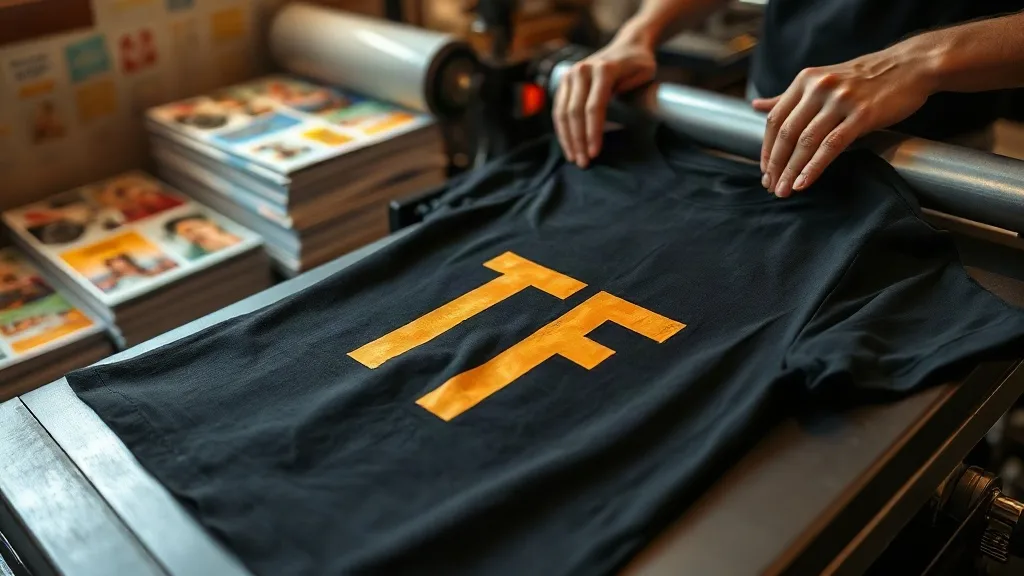
When you pull a shaka wear tee out of the box, the first thing you notice is the weight. These aren't flimsy blanks that twist and thin out after a few washes. They're built for streetwear and workwear alike, with a dense hand feel that holds its shape. For DTF printers, that density is both an opportunity and a challenge. The same tight knit that gives Shaka Wear its premium drape can make ink adhesion tricky if you don't adjust your process. This guide walks through what actually happens when you press a DTF transfer onto a Shaka Wear blank, and how to get consistent, retail-ready results without wrecking your profit margin.
Why Shaka Wear Blanks Behave Differently Under the Heat Press
Most DTF problems trace back to fabric composition and surface texture. Shaka Wear blanks are predominantly 100% cotton, often in the 6.5 to 7.5 oz range, with a compact knit that feels substantial in hand. That weight is great for durability, but it changes how heat, pressure, and adhesive interact. Heavier cotton absorbs more moisture from the air, and moisture is the enemy of DTF adhesion. A blank that's been sitting in a humid warehouse will release steam under the press, creating tiny bubbles between the film and the fabric. The print might look fine coming off the platen, only to peel at the corners after the first wash.
Another factor is the surface finish. Some Shaka Wear styles come with a garment-dyed or washed finish that leaves a slightly rougher texture. That texture can be a blessing for hand feel, but it means the adhesive powder needs a little more encouragement to flow into the fibers. You'll want to dial in your press settings rather than relying on the same recipe you use for a standard 5.3 oz ring-spun tee.
Pre-Press Preparation That Actually Matters
Before the transfer even touches the shirt, do a pre-press. Two to three seconds at 330°F with medium pressure is usually enough to drive off surface moisture. You'll see the fabric relax slightly. Skip this step and you're gambling with adhesion. Also, check for sizing or fabric softener residue. Shaka Wear blanks typically ship without heavy finishes, but if you've stored them near silicone sprays or other shop chemicals, a quick lint roll and visual check can save you a reprint.
Setting Up Your DTF Gangsheet for Shaka Wear Blanks
Building a gangsheet for heavyweight cotton isn't the same as laying out for a lightweight polyester blend. The ink volume and powder application need to match the fabric's absorbency. If you're using a DTF Gangsheet Builder, you can upload your artwork and arrange multiple designs on a single sheet, which keeps your cost per print down. But here's the practical part: leave enough bleed and spacing so you can trim without cutting into the print. On Shaka Wear's darker colors, especially black and navy, a little extra white ink layer helps the colors pop without making the print feel like a plastic patch.
When you export your gangsheet, think about orientation. Shaka Wear tees often have a boxy fit with a wider chest area, so a design that's 11 inches wide might sit differently than on a slimmer cut. Measure the actual print area on a sample shirt before you commit a full sheet. A 12 by 16 inch print might fit, but the collar and sleeve seams can interfere with pressing if the design sits too high.
Powder and Cure Adjustments for Heavy Cotton
Heavy cotton pulls more heat away from the transfer during pressing. That means your adhesive powder needs to melt and flow properly before it contacts the fabric. Shake off excess powder as usual, but consider a slightly longer shake or a gentler tap to ensure an even coat. During curing, don't rush the oven time. A fully cured transfer should have a matte, slightly textured surface with no visible powder granules. If you see shiny spots, the powder overheated; if it looks dusty, it's undercured. Both will cause adhesion problems on Shaka Wear blanks.
Pressing Parameters for Shaka Wear Tees
There's no single magic number, but a reliable starting point for 100% cotton Shaka Wear blanks is 320°F to 330°F, medium to firm pressure, and 12 to 15 seconds. Peel warm or cold, depending on the film you're using. Warm peel works well for most standard DTF films, but if you're using a low-temperature film, follow the manufacturer's recommendation. The key is consistency: use the same pressure and time for every shirt in a run. A pressure gauge on your press is worth the investment if you're doing volume.
After the first press, do a second press with a Teflon sheet or parchment paper for 5 to 8 seconds. This step isn't optional on heavyweight cotton. It helps the adhesive fully embed into the fibers and smooths out any unevenness from the fabric texture. Skipping it often leads to edges lifting after a few washes.
Common Issues and Quick Fixes
- Print peeling at corners: Increase pressure slightly and extend the second press by 2 seconds. Check that the corners received full heat.
- Faded or dull colors: Your white ink layer might be too thin, or the powder didn't fully melt. Try a thicker white underbase and verify curing temperature.
- Stiff hand feel: Reduce the white ink layer if the design allows, or use a finer powder. Heavy cotton already has body, so a thick print can feel like a board.
- Ghosting or double image: The shirt may have shifted during pressing. Use a tack spray or heat-resistant tape to hold the transfer in place.
Choosing the Right Shaka Wear Style for Your DTF Projects
Shaka Wear offers several fits, from classic crewnecks to oversized tees and long sleeves. For DTF, the crewneck and oversized styles are the most forgiving because they provide a flat, stable pressing surface. Long sleeves can be trickier: the sleeve seams and cuffs can create uneven pressure if you're not careful. If you're printing on long sleeves, consider a smaller design or use a pressing pillow to support the area. Also, pay attention to color. While DTF works on any color, darker blanks require a more opaque white layer, which adds weight. On lighter colors, you can often get away with a thinner white base, resulting in a softer print.
If you're new to Shaka Wear, order a sample pack in a few colors and styles. Print the same design on each and run them through a wash test. You'll quickly see which combinations give you the best balance of vibrancy and durability. That kind of hands-on testing is worth more than any spec sheet.
Wash Testing and Long-Term Durability
DTF prints on Shaka Wear blanks can survive dozens of wash cycles if pressed correctly. But don't take that for granted. Run a wash test on every new batch of blanks or film. Wash inside out in cold water, tumble dry low, and inspect after each cycle. Look for edge lifting, cracking, or color fading. If you see problems after the first wash, your press parameters need adjustment. A common mistake is under-pressing the second step; the print looks fine initially but fails later. Another is washing too soon after pressing. Wait at least 24 hours before the first wash to let the adhesive fully set.
Frequently Asked Questions
Can I use DTF printing on Shaka Wear's heavyweight cotton tees?
Yes, DTF works well on Shaka Wear heavyweight cotton, but you need to adjust your pressing parameters. Use a pre-press to remove moisture, press at 320°F to 330°F for 12 to 15 seconds, and always do a second press with a Teflon sheet for 5 to 8 seconds to ensure proper adhesion.
What's the best DTF film for Shaka Wear blanks?
There's no single best film, but a quality double-sided matte film with a compatible powder works consistently. Test a few brands to see which one gives you the softest hand feel and strongest wash durability on Shaka Wear's fabric. Low-temperature films can be beneficial for heat-sensitive blends, but for 100% cotton, standard films perform well.
How do I prevent the DTF print from feeling too stiff on heavy cotton?
Reduce the thickness of your white ink layer where possible, use a finer adhesive powder, and avoid over-pressing. A thinner white base still provides opacity on dark colors if your printer settings are dialed in. Also, the second press with a Teflon sheet helps flatten the print without adding bulk.
Do I need a special DTF gangsheet builder for Shaka Wear?
Not necessarily, but using a DTF Gangsheet Builder can streamline your workflow by letting you arrange multiple designs on one sheet. This saves film and time, especially when you're printing the same design across different sizes. Just ensure your layout accounts for the print area of each Shaka Wear style.
How long should I wait before washing a DTF-printed Shaka Wear shirt?
Wait at least 24 hours after pressing before the first wash. This allows the adhesive to fully cure and bond with the fabric. For best results, wash inside out in cold water and tumble dry low. Avoid fabric softeners, which can degrade the adhesive over time.