
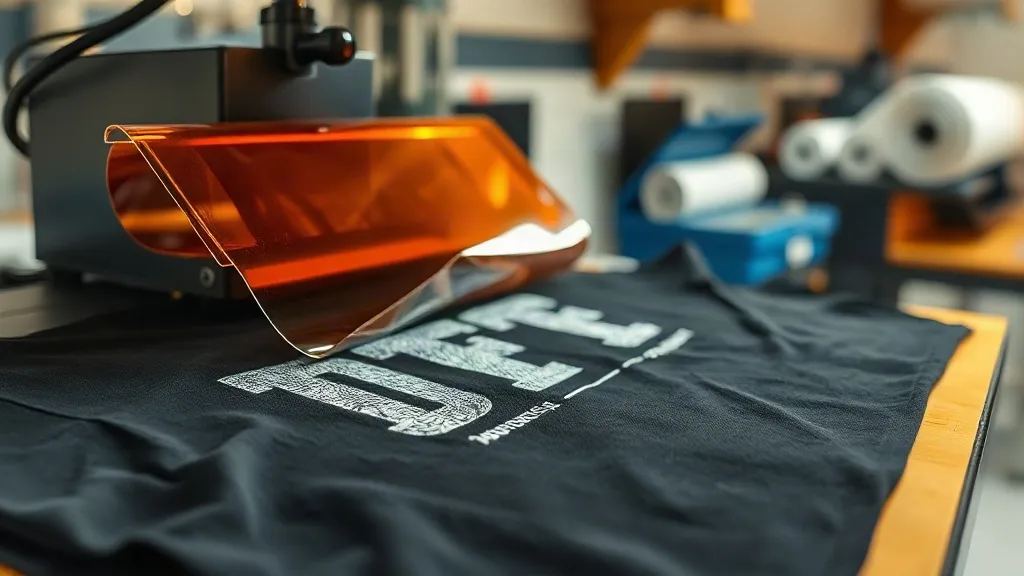
If you've been exploring custom apparel printing, you've likely encountered dtf transfers. This versatile technology has rapidly gained popularity among hobbyists and professionals alike, offering a way to print full-color designs on a wide range of fabrics without the limitations of traditional methods. In this guide, we'll walk you through the essentials of dtf printing, from understanding the process to achieving professional-grade results at home or in your shop.
What Are DTF Transfers?
DTF stands for Direct-to-Film. It's a printing method where your design is printed onto a special film, coated with a powder adhesive, and then heat-pressed onto fabric. Unlike DTG (Direct-to-Garment) printing, which requires specially pretreated garments, DTF transfers can adhere to almost any fabric, including cotton, polyester, blends, and even nylon. This flexibility makes DTF a go-to choice for small businesses, crafters, and anyone looking to create custom apparel quickly.
Why Choose DTF Transfers?
There are several reasons why DTF has become a favorite in the printing community:
- Versatility: Works on virtually any fabric color and type, including dark and light materials.
- Durability: When applied correctly, DTF prints resist fading, cracking, and peeling through many washes.
- No Pre-treatment: Unlike DTG, DTF doesn't require pre-treating the garment, saving time and mess.
- Cost-effective for small batches: No need for screens or plates, making short runs affordable.
- High detail: Achieve fine lines, gradients, and photorealistic images with ease.
These advantages make DTF an attractive option for both beginners and seasoned pros.
How DTF Transfers Work: Step by Step
Understanding the DTF process helps you troubleshoot issues and improve your results. Here's a breakdown of the key steps:
1. Design Preparation
Start with a high-resolution image (300 DPI is recommended). Mirror your design horizontally before printing, as the film will be flipped when pressed. Ensure your design fits within the printable area of your film and printer.
2. Printing onto Film
Using a DTF printer, print your design onto the coated side of the DTF film. The printer uses special DTF inks (usually CMYK plus white). The white ink layer is crucial for opacity, especially on dark fabrics. After printing, the film may appear wet; this is normal.
3. Powder Application
While the ink is still wet, apply DTF adhesive powder evenly over the printed area. Shake off excess powder and return it to the container for reuse. The powder will stick to the wet ink.
4. Curing the Powder
Melt the powder using a heat press or oven. This step fuses the powder to the ink, creating a solid, transferable layer. Follow your powder's instructions for temperature and time (typically around 160°C/320°F for 2-3 minutes). Over-curing can make the transfer brittle, so monitor closely.
5. Pressing onto Fabric
Now you're ready to apply the transfer. Preheat your heat press to the recommended temperature (usually 150-160°C/300-320°F). Place the garment on the press, position the transfer with the design facing up, and press with medium pressure for 10-15 seconds. Peel the film while it's still warm (warm peel) for best results. Some films require cold peel; check your film's instructions.
Choosing the Right DTF Supplies
Quality supplies are key to successful DTF printing. Here's what to look for:
- DTF Film: Choose a film compatible with your printer. There are matte and glossy options; matte film is often easier to handle and reduces glare.
- DTF Inks: Use high-quality DTF inks designed for your printer model. Cheap inks can clog printheads and produce dull colors.
- Adhesive Powder: Select a fine, even powder. Particle size affects the feel and durability of the final print.
- Heat Press: A reliable heat press with accurate temperature and pressure control is essential. For small batches, a clamshell press works well; for larger volumes, consider a pneumatic press.
Investing in good supplies saves you time and frustration in the long run.
Applications and Use Cases
DTF transfers are incredibly versatile. Here are some popular applications:
- Custom T-shirts: Perfect for team uniforms, event merchandise, and personalized gifts.
- Hoodies and Sweatshirts: DTF adheres well to thicker fabrics and maintains stretchability.
- Tote Bags: Create eco-friendly promotional items with vibrant designs.
- Sportswear: The flexibility of DTF prints allows them to move with the fabric without cracking.
- Home Decor: Personalize pillows, aprons, and more.
If you're looking for dtf transfers near me, many local print shops now offer DTF services, or you can invest in your own setup.
Tips for Professional Results
To ensure your DTF transfers look great and last long, keep these tips in mind:
- Pre-press the garment: This removes moisture and wrinkles, ensuring a smooth application.
- Use the right pressure: Too little pressure results in poor adhesion; too much can cause the design to spread. Aim for medium pressure.
- Peel at the right temperature: Follow the film manufacturer's recommendation for warm or cold peel.
- Wash inside out: To prolong the life of your print, wash garments inside out in cold water and tumble dry low.
- Test on scraps: Always do a test press on a scrap piece of fabric to dial in your settings.
Troubleshooting Common DTF Issues
Even with experience, you might encounter problems. Here's how to fix them:
- Design not adhering: Increase pressure or temperature; ensure the garment is properly pre-pressed.
- Film not peeling cleanly: You may be peeling at the wrong temperature. Try warm peel if cold peel fails, or vice versa.
- Faded or dull colors: Check ink levels and quality; ensure the white ink layer is sufficient.
- Cracking after washing: This often indicates under-curing of the powder or insufficient pressure during pressing. Re-evaluate your curing and pressing parameters.
Frequently Asked Questions
What fabrics can I use with DTF transfers?
DTF transfers work on a wide range of fabrics, including cotton, polyester, blends, nylon, and even leather. They are not recommended for fabrics with special coatings or waterproof finishes, as adhesion may be poor.
How long do DTF prints last?
With proper application and care, DTF prints can last as long as the garment itself. They are durable through many washes, but to maximize longevity, wash inside out in cold water and avoid harsh detergents.
Do I need a special printer for DTF?
Yes, DTF printing requires a printer that uses DTF inks and is capable of printing on film. You can convert some inkjet printers, but it's often easier to purchase a dedicated DTF printer. Alternatively, you can buy pre-printed DTF transfers from suppliers.
Can I use DTF on dark shirts?
Absolutely. DTF transfers include a white ink layer that provides a bright, opaque base, making them ideal for dark and light fabrics alike.
What is the difference between DTF and DTG?
DTG (Direct-to-Garment) printing requires pre-treating the garment and works best on 100% cotton. DTF transfers can be applied to almost any fabric without pre-treatment, offering greater versatility and often more vibrant colors on dark materials.
Whether you're a DIY enthusiast or running a custom apparel business, mastering dtf transfers opens up a world of possibilities. With the right supplies and techniques, you can produce stunning, durable prints that impress your customers or gift recipients.