
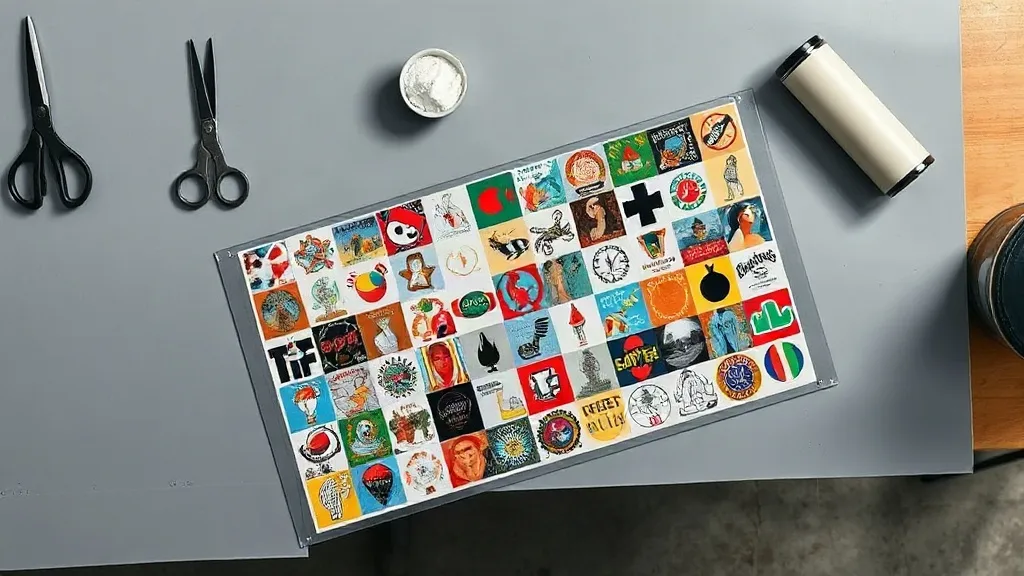
If you have ever printed a single small logo on an A4 sheet and watched three quarters of the film go in the bin, you already understand why shops move to a DTF Gangsheet workflow. Instead of sending one design per sheet, you arrange many designs on a single long film, print them together, powder them together, and press them as needed. The savings show up fast, and so does the time you get back on prep and trimming. But a gangsheet only pays off when it is built with care. A badly nested sheet wastes film, causes color shifts between jobs, and can leave you with transfers that curl at the edges. This guide walks through the practical side of building sheets that actually work.
What a DTF Gangsheet Actually Is
Direct-to-film printing works by jetting water-based pigment ink onto a PET film, then applying a hot-melt adhesive powder while the ink is still wet. The powder fuses to the ink in a curing step, and the result is a transfer you can store and press onto cotton, polyester, or blends whenever an order comes in. A gangsheet takes that same process and fills the available film width with as many designs as will fit, rather than printing a single artwork per roll length.
The term comes from the graphics industry, where "ganging" means combining multiple jobs onto one substrate to reduce setup and material waste. In DTF, the benefit is even more pronounced because film, ink, and powder are all consumed per square meter. Every square centimeter you leave empty is money spent on nothing.
The Real Economics of Ganging Your Transfers
Most DTF film comes in rolls of 30cm, 60cm, or wider, and shops typically pay by the running meter or by the sheet. If you print a batch of twelve shirt-front logos individually on 30cm by 40cm sheets, you are paying for twelve separate pieces of film, twelve passes through the powder station, and twelve trips through the curing oven. Nested onto one 60cm wide sheet at 100cm length, the same twelve logos might fit comfortably and cost noticeably less in materials and labor.
The math is not just about film. Powder application is a per-area cost too, and every separate sheet means another chance for uneven powder coverage. Consolidating designs reduces the number of times you handle a wet, powdered film, which is where most small defects creep in.
Where the biggest savings hide
- Empty margins: a sheet with generous unused edges is the single largest waste in a DTF shop.
- Trim time: fewer sheets means fewer cutting sessions and fewer blades used.
- Curing runs: batching transfers into one oven pass saves energy and operator attention.
- Reorder speed: a stocked gangsheet lets you press a repeat order in minutes instead of reprinting.
How to Lay Out a Sheet That Prints Cleanly
Layout is where experience separates a good sheet from a frustrating one. The goal is to maximize density without letting designs touch or crowd the film edge.
Leave breathing room between designs
A common beginner mistake is butting artwork right up against its neighbor to squeeze in one more logo. Leave at least 3 to 5mm of clear film between designs. The powder station needs clean film to shed excess adhesive, and a tight nest makes trimming harder and increases the risk of nicking a neighboring transfer with the scissors.
Respect the film edge
Keep a margin of roughly 5mm along all four edges. Printers can drift slightly during a long run, and designs placed hard against the edge may lose a sliver of color or, worse, get clipped entirely. The margin also gives the powder shaker room to work without spilling adhesive onto the platen.
Group by ink coverage
Ink laydown varies enormously between a fine line drawing and a full-bleed photographic print. When you mix heavy and light coverage on one sheet, the printer's curing and the powder application have to compromise. Grouping designs with similar ink density produces more consistent results, especially on older machines where the white ink layer is applied in a single heavy pass.
Orient for the press, not the screen
Think about how each transfer will be positioned on the garment. A left-chest logo and a full back print have different tolerances. Rotating a design to fill a gap is fine as long as you note the intended orientation in your file naming, otherwise the press operator has to guess.
File Preparation Checklist Before You Print
Most gangsheet failures trace back to the file, not the printer. Run through this list before you hit print.
- Flatten transparencies and confirm the background is truly transparent, not white.
- Convert text to outlines so a missing font does not substitute mid-run.
- Set the document to the exact film dimensions in millimeters, at 300 DPI.
- Add a small registration mark or corner crop marks if your RIP software supports them.
- Check that no artwork crosses the safety margin you set for the film edge.
- Save a flattened copy for printing and keep the layered original archived.
One more habit worth building: name the file with the film width and length, for example 60x100-mixed-logos-v3. When you have fifty sheets in a folder, that naming convention saves real time.
Storing and Reusing Gangsheets
A finished gangsheet is inventory, and it deserves to be treated that way. Cut transfers apart only when you need them, or cut the whole sheet at once and store the pieces in a flat, dust-free drawer. Powdered transfers absorb moisture from the air, and humid storage is the most common reason a transfer that pressed perfectly last month suddenly refuses to peel cleanly.
Keep sheets in a sealed bag with a desiccant pack, away from direct sunlight, and use them within a few months for best results. If you notice the adhesive layer feeling tacky or the film curling, a short re-cure at low temperature often revives it, but prevention is easier than rescue.
When a Gangsheet Is the Wrong Choice
Batching is not universal. If a customer needs a single one-off design in a hurry, building a sheet around it wastes time and material. Very large prints that consume most of the film width also gain little from ganging. And if your designs have wildly different ink densities, forcing them onto one sheet can hurt quality more than the film savings help. Use judgment: gang when you have volume and similarity, print individually when you have neither.
Frequently Asked Questions
How much space should I leave between designs on a DTF gangsheet?
Three to five millimeters of clear film between designs is a safe default. It gives the powder station room to shed excess adhesive and makes trimming cleaner. Tighter spacing is possible on well-calibrated printers, but the risk of nicking a neighboring transfer during cutting goes up quickly.
Can I mix different fabric types on the same gangsheet?
Yes. The transfer itself does not change based on the garment it will eventually go on. What matters is press settings at application time, so a single sheet can serve cotton tees, polyester hoodies, and blends as long as you adjust temperature, pressure, and dwell time for each fabric when pressing.
Why do my gangsheet transfers curl at the edges after curing?
Curling usually points to uneven powder application or incomplete curing. Check that the powder is distributed evenly and shaken off thoroughly before curing, and confirm your oven temperature and dwell time match the film manufacturer's recommendation. Storing sheets in a humid room makes the problem worse.
Is it cheaper to order pre-made gangsheets or print my own?
It depends on volume. If you print regularly, owning the equipment pays back over time because your marginal cost per square meter drops sharply. For occasional or highly seasonal work, ordering gangsheets from a supplier avoids the capital outlay and the maintenance burden of keeping a printer calibrated.
How long can I store a printed gangsheet before using it?
Most shops get reliable results within two to three months when sheets are kept flat, sealed, and away from humidity and sunlight. Beyond that, the adhesive layer can degrade and peel performance becomes unpredictable, so rotate stock and print to demand where possible.