
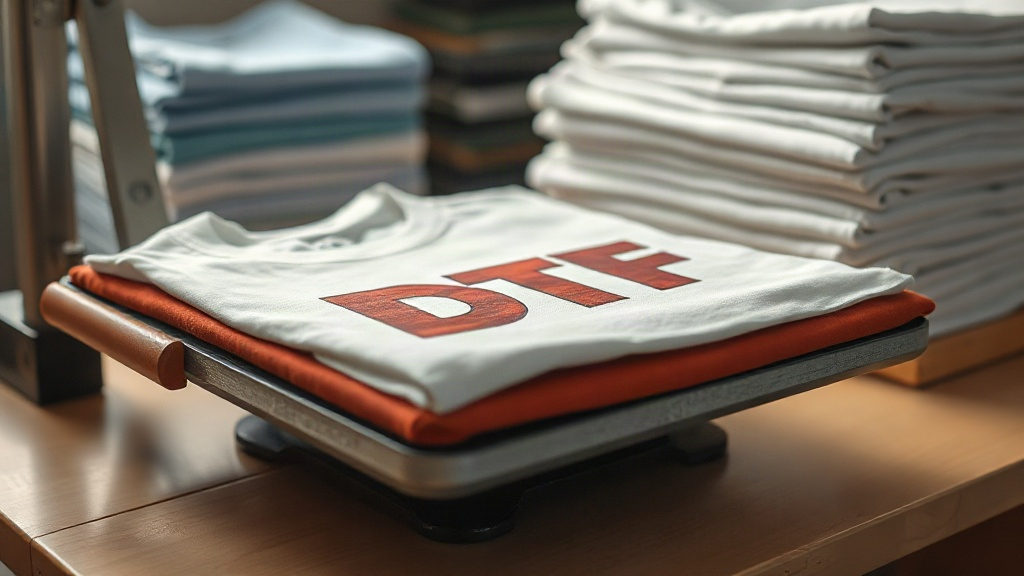
When you're printing DTF transfers, the blank you choose can make or break the final product. Two names that keep popping up in print shops and craft rooms are Shaka Wear and Smart Blanks. Both offer quality garments, but they behave differently under a heat press. This guide will walk you through everything you need to know to get flawless results with DTF transfers on these popular blanks, from fabric composition to pressing parameters and troubleshooting.
Why DTF Transfers Are a Game-Changer for These Blanks
DTF transfers have revolutionized the way we decorate apparel. Unlike vinyl or screen printing, DTF allows for full-color, photographic-quality images without the need for multiple screens or weeding. It works on a wide range of fabrics, including cotton, polyester, and blends. That flexibility makes it a perfect match for Shaka Wear and Smart Blanks, which come in various fabric types and colors.
But here's the catch: not all blanks are created equal. The weave, dye, and finish of a garment affect how the transfer adheres and how long it lasts. That's why understanding the specific characteristics of Shaka Wear and Smart Blanks is crucial for success.
Getting to Know Shaka Wear Blanks
Shaka Wear is a brand known for its streetwear-inspired tees and hoodies. Their garments are typically made from 100% cotton or cotton-poly blends, with a soft hand feel and a slightly heavier weight. The brand has a loyal following among urban fashion enthusiasts, and for good reason: the blanks hold up well and take to decoration beautifully.
Fabric Characteristics That Matter for DTF
Most Shaka Wear tees are 100% cotton, which is ideal for DTF transfers. Cotton fibers provide a porous surface that the adhesive can grab onto, resulting in a strong bond. However, some styles, like their performance tees, contain polyester. Polyester can be trickier because it's smoother and may require lower pressing temperatures to avoid scorching or dye migration.
Another thing to note: Shaka Wear often uses reactive dyes that are colorfast, but dark colors can still bleed if overheated. Always test a small area before pressing a full design.
Recommended Pressing Settings for Shaka Wear
For 100% cotton Shaka Wear tees, set your heat press to 325°F (160°C) with medium pressure for 15 seconds. For blends, drop the temperature to 300°F (150°C) and press for 12 seconds. Always pre-press the garment for 5 seconds to remove moisture and wrinkles. Peel the transfer while it's hot or cold? For DTF transfers, a cold peel is generally recommended for best results on Shaka Wear because it allows the adhesive to set fully. But some printers prefer hot peel for a matte finish. Experiment with both to see what works for your setup.
Smart Blanks: A Smart Choice for DTF
Smart Blanks is another popular option, particularly for those who want affordable, consistent quality. Their blanks are often 100% cotton or cotton-poly blends, and they come in a wide array of colors. What sets Smart Blanks apart is their attention to detail in construction: clean stitching, consistent sizing, and a smooth printing surface.
How Smart Blanks Respond to DTF Transfers
The smooth surface of Smart Blanks tees makes them a dream for DTF transfers. The adhesive can form a uniform bond, reducing the risk of edge lifting. However, if the fabric has a heavy enzyme wash or softener finish, it might resist adhesion. In that case, a quick pre-press and a slightly longer pressing time can help.
For polyester blends from Smart Blanks, be mindful of dye migration. Polyester dyes can sublimate into the transfer adhesive when heated, causing a yellowish or grayish tint on white transfers. Using a low-bleed transfer or a barrier layer can mitigate this issue.
Recommended Pressing Settings for Smart Blanks
For 100% cotton Smart Blanks, use 325°F (160°C) for 15 seconds with medium-firm pressure. For blends, 300°F (150°C) for 12 seconds. Pre-press for 5-7 seconds to remove moisture. Peel cold for best durability. If you're working with a polyester blend, consider using a pressing pillow to avoid seam impressions and reduce pressure slightly.
Step-by-Step DTF Application on These Blanks
Regardless of whether you're using Shaka Wear or Smart Blanks, the application process is similar. Follow these steps for a professional finish:
- Pre-press the garment: This removes wrinkles and moisture, ensuring a smooth surface. Set your press to the recommended temperature for the fabric.
- Position the transfer: Place the DTF transfer face down on the garment. Use heat tape if needed to keep it in place.
- Press: Apply medium to firm pressure for the recommended time. Don't forget to account for the thickness of the transfer; a second press for 5 seconds after peeling can improve adhesion.
- Peel: For cold peel, wait until the transfer cools completely before peeling. For hot peel, remove immediately in a smooth, continuous motion.
- Post-press: Cover the design with a Teflon sheet or parchment paper and press for another 5-10 seconds to fully set the adhesive.
Common Issues and How to Fix Them
Even with the best blanks and transfers, problems can arise. Here are some common issues and their solutions when working with Shaka Wear and Smart Blanks.
Transfer Not Sticking
If the transfer peels off easily, it could be due to insufficient pressure, temperature, or time. Increase pressure and ensure your press is calibrated. Also, check that the garment is completely dry before pressing.
Color Fading or Cracking
This often happens with polyester blends when the temperature is too high. Lower the temperature and reduce pressing time. Using a low-bleed transfer can also help.
Dye Migration
Dark polyester fabrics are notorious for dye migration. To prevent this, use a transfer with a gray back or apply a barrier layer. Pre-pressing the garment for a few seconds can also help release some dye.
Pro Tips for Working with Shaka Wear and Smart Blanks
- Test first: Always do a test press on a scrap piece of the same fabric to dial in your settings.
- Use a heat press, not an iron: Irons don't provide consistent pressure or temperature, leading to poor adhesion.
- Store transfers properly: Keep DTF transfers in a cool, dry place away from direct sunlight to prevent premature curing.
- Wash inside out: Advise your customers to wash garments inside out in cold water and tumble dry low to extend the life of the print.
Frequently Asked Questions
Can I use DTF transfers on Shaka Wear hoodies?
Absolutely. Shaka Wear hoodies are usually cotton-poly blends, so adjust your temperature to around 300°F and use medium pressure. Pre-press to remove moisture from the thicker fabric.
What's the best peel method for Smart Blanks?
For Smart Blanks, cold peel is generally recommended for maximum durability. However, if you're using a hot-peel transfer film, follow the film manufacturer's instructions.
How do I prevent dye migration on dark Shaka Wear tees?
Use a DTF transfer with a gray back or apply a barrier layer. Lower the pressing temperature to 300°F and reduce time to 10-12 seconds. Pre-press the garment for 5 seconds to release some dye.
Are DTF transfers durable on Smart Blanks after multiple washes?
Yes, when applied correctly, DTF transfers on Smart Blanks can withstand 50+ washes. Always wash inside out in cold water and avoid fabric softeners, which can degrade the adhesive.
With the right techniques and a little practice, you can achieve vibrant, long-lasting prints on both Shaka Wear and Smart Blanks. Remember to test, adjust, and always pre-press. Your customers will love the results, and you'll love the ease of DTF transfers.