
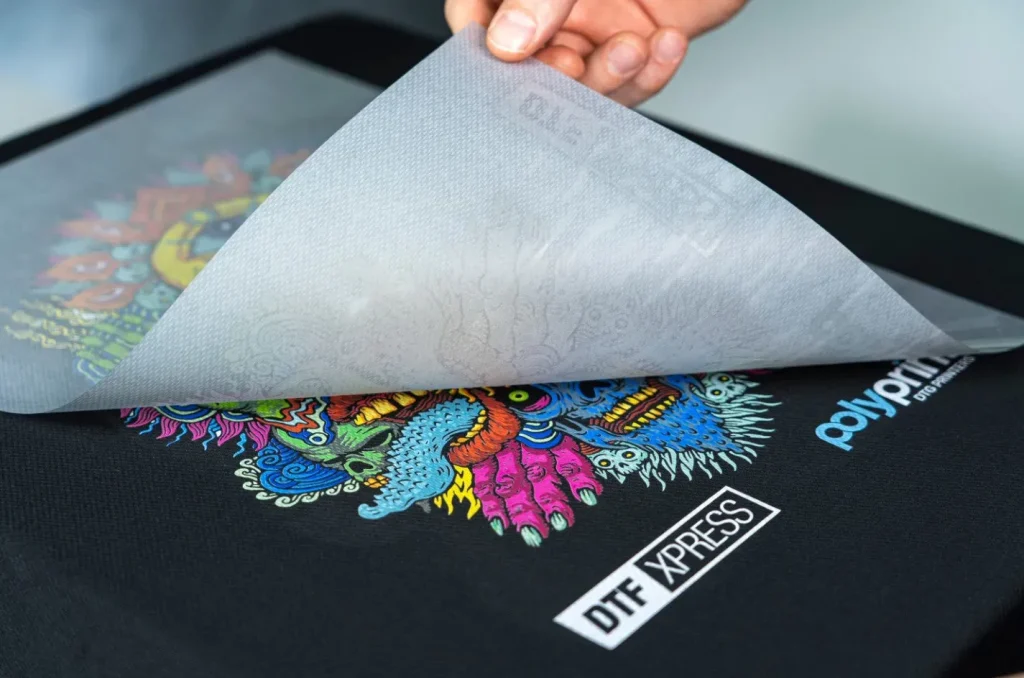
Durable DTF transfers on dark fabrics demand a careful blend of prep, process, and post-care from the start. Longevity comes from a repeatable workflow that aligns surface preparation, ink consistency, and the chosen adhesive system for the garment. A strong white underbase, clean design, and precise timing help ensure colors stay bright and edges remain crisp after washing. Consistency in pretreatment and curing from batch to batch is essential, and testing swatches before full production can save time and material. By weaving these practices into a clear, customer-focused workflow, you’ll deliver durable results that stand up to everyday wear and multiple wash cycles.
From an LSI-informed perspective, the topic often appears as durable prints on dark apparel, where preparation and finishing choices shape performance. Alternative terms you’ll see include robust base opacity strategies for black fabrics, optimized bonding, and repeatable heat-press workflows to align with real-world needs. Explicit concepts such as pretreatment for dark fabrics, adhesion and curing for DTF, and DTF heat press settings help connect practical steps to the science behind lasting imagery. By weaving these related ideas together, writers and designers can create a more searchable, user-friendly guide that helps readers troubleshoot and refine their process.
Durable DTF transfers on dark fabrics: foundation and prep
Durable DTF transfers on dark fabrics begin long before the press is warmed. The foundation rests on meticulous surface prep and a stable white underbase that can carry color through repeated washes. When you’re working with dark backgrounds, the goal is a clean, opaque canvas that preserves vibrancy and prevents muddy tones after laundering. Proper prep reduces color shifting and helps the final image stay sharp, even after extended wear.
The prep stage also sets the stage for durability by ensuring the fabric accepts the ink and powder evenly. A well-prepared surface minimizes grain, texture, and dye migration, which can otherwise soften outlines over time. In practice, durability starts with a thoughtful design approach and careful surface conditioning that aligns with the fabric type and your ink system.
Pretreatment for dark fabrics: choosing formulations and application best practices
Pretreatment for dark fabrics is a foundational step that primes the surface for a solid white underbase and vivid color registration. Selecting the right pretreatment formulation depends on fabric type—whether cotton, poly blends, or mixed fibers—and on the dry-time required for your workflow. The aim is even coverage that improves color vibrancy while minimizing dye bleeding.
Apply pretreatment evenly and monitor coverage to avoid tackiness or incomplete adhesion. Testing on sample swatches helps you dial in spray distance, pressure, and drying conditions before a full run. By prioritizing uniform application and proper drying, you create a reliable base that supports durable DTF transfers on dark fabrics.
DTF heat press settings: optimizing temperature, pressure, and dwell time
DTF heat press settings are where durability becomes tangible. Temperature, pressure, and dwell time must be balanced to activate the adhesive without scorching the fabric. A practical starting point for many fabrics is around 160–170°C (320–338°F) with firm, even pressure and a dwell time of 12–15 seconds, but you should tune these values for fabric weight and ink formulations.
Consistency is essential. Avoid shifting or uneven pressure, which can create edges that lift after washing. Whether you use a cold-peel or hot-peel approach, sticking to the chosen method across the entire run helps maintain durability, edge integrity, and color fidelity through repeated use.
Adhesion and curing for DTF: powder bonding, curing steps, and long-term adhesion
Adhesion for DTF hinges on the interaction between the film, PET powder, and the fabric substrate. The powder creates a textured surface that traps ink and promotes strong bonding once cured. Proper curing is essential; under-curing can lead to cracks, while over-curing can affect hand feel and opacity. A controlled curing step ensures the transfer remains securely bonded during washing and wear.
After printing and curing, allow the garment to cool and set. A post-press window may be necessary to maximize adhesion and prevent edge lifting. Regularly verify bonding by inspecting seams and edges, and be prepared to adjust pretreatment, powder type, or heat-press parameters if issues arise in subsequent runs.
Care instructions for DTF on dark garments: washing, drying, and longevity
Care instructions for DTF on dark garments play a pivotal role in longevity. Recommend turning garments inside-out, washing in cold water, and using gentle detergents to preserve color and adhesion. Minimizing exposure to high heat in the dryer helps prevent scorching and edge cracking, extending the life of the transfer.
Educating customers or team members on proper care is part of delivering durable prints. A concise care guide—emphasizing inside-out washing, gentle cycles, and avoiding dry cleaning solvents—helps maintain vibrancy and adhesion after repeated washes. Consistent care supports the design’s longevity, keeping colors bold and edges intact.
Design and QA for long-lasting DTF on dark fabrics
Durability begins with design decisions that respect the fabric and printing process. Choose bold contours, avoid ultra-fine lines, and plan color layering so opacity remains strong against dark backgrounds. Thoughtful design, aligned with the underbase and pigment system, reduces wear and improves edge durability when the garment flexes and is washed.
Quality assurance and testing close the loop. Implement test prints on sample swatches, simulate wash cycles, and document settings for each fabric type—pretreatment, ink, powder, and heat-press parameters. A rigorous QA process builds consistency and stamina into every durable transfer on dark fabrics, ensuring you can reproduce reliable results across runs.
Frequently Asked Questions
What are Durable DTF transfers on dark fabrics, and why is pretreatment for dark fabrics essential for durability?
Durable DTF transfers on dark fabrics are printed designs designed to stay vibrant and intact on dark garments. Pretreatment for dark fabrics is essential because it creates a uniform surface, improves white underbase opacity, and reduces dye bleeding, which together enhance adhesion and longevity across washes.
How does pretreatment for dark fabrics influence white underbase opacity and color fidelity in Durable DTF transfers on dark fabrics?
Pretreatment for dark fabrics directly affects the white underbase’s opacity, which in turn preserves color vibrancy and sharp edges. A well-chosen pretreatment tailored to fabric type and even application minimize translucency and color shift, delivering durable results for Durable DTF transfers on dark fabrics.
What are the recommended DTF heat press settings for durable transfers on dark fabrics, including temperature, pressure, and dwell time?
Begin with a baseline of about 160–170°C (320–338°F) and firm, even pressure for 12–15 seconds. These DTF heat press settings promote proper adhesion and curing for dark fabrics, but you should adjust based on fabric weight, ink formulation, and transfer thickness to maintain durability.
How do adhesion and curing for DTF impact the durability of Durable DTF transfers on dark fabrics?
Adhesion and curing for DTF are critical for longevity. The PET powder creates the textured surface that inks bond to, and a complete cure ensures the adhesive activates fully. Proper curing reduces the risk of peeling or cracking and improves wash durability for Durable DTF transfers on dark fabrics.
What care instructions for DTF on dark garments help preserve Durable DTF transfers on dark fabrics over time?
Care instructions should emphasize turning garments inside out, washing in cold water, and using mild detergents. Avoid high-heat drying and dry cleaning, which can degrade the transfer. Following these care guidelines helps maintain color, adhesion, and overall durability of Durable DTF transfers on dark fabrics.
What are common issues and troubleshooting steps for Durable DTF transfers on dark fabrics, including adhesion and edge lift?
Common issues include peeling, edge lift, and color fading. Troubleshoot by checking pretreatment coverage, white underbase opacity, and bonding heat; ensure even pressure and consistent dwell time. Start with a test batch, verify curing, and adjust heat press parameters as needed to maintain durability for Durable DTF transfers on dark fabrics.
| Topic | Key Points | Practical Tips |
|---|---|---|
| Surface preparation | Durability begins with proper surface prep and clean fabric; it sets the stage for all subsequent steps (especially on dark fabrics). | Clean fabric; test pretreatments on a swatch; maintain a controlled environment for consistent results. |
| Pretreatment for dark fabrics | Foundational step that helps the white underbase render evenly, improves color vibrancy, and reduces dye bleeding. | Choose fabric-specific pretreatment formulations; apply evenly; allow to dry fully; test on a sample swatch. |
| White underbase and color fidelity | A solid white underbase is crucial for opacity and maintaining color fidelity on dark fabrics. | Calibrate opacity; ensure adhesion of the white layer; check for color shifts after washing. |
| Adhesion and curing | Adhesion depends on film, powder, and substrate; curing solidifies the bond to prevent peeling or cracking. | Apply PET powder; bake/cure thoroughly; ensure complete cure before handling. |
| DTF heat press settings and technique | Proper temperature, pressure, and dwell time are key; wear and fabric weight affect outcomes. | Typical start: 160–170°C (320–338°F), 12–15 seconds with even pressure; adjust for fabric and ink. |
| Careful application technique | Even, consistent pressure over the entire surface minimizes edge wear and pigment boundary issues. | Avoid dragging; decide on hot-peel or cold-peel and stick with it; brief post-press cooling helps set the adhesive. |
| Post-press curing and final checks | Post-press curing or room-temperature curing can improve long-term adhesion and durability. | Cool and cure as recommended; inspect edges for lift or cracking; test on a swatch if anomalies appear. |
| Care and maintenance for longevity | Care directly influences longevity; improper care accelerates wear. | Wash inside-out in cold water; avoid aggressive detergents and high dryer heat; avoid dry cleaning. |
| Common issues and troubleshooting | Peeling, cracking, or color fading signal gaps in bonding or processing. | Re-evaluate pretreatment coverage, white underbase opacity, and bonding; run controlled test batches to iterate. |
| Design considerations for durability | Design choices influence durability as much as the application process. | Choose bold contours; plan opacity with layering; avoid extremely fine lines that may crack on flexing fabrics. |
| Quality assurance and testing | A robust QA process ensures consistency and durability across runs. | Document fabric-specific settings, run test prints, simulate wash cycles, and adjust process as needed. |
Summary
Durable DTF transfers on dark fabrics demand a deliberate, repeatable workflow that starts with robust pretreatment and a solid white underbase. By focusing on proper surface preparation, accurate pretreatment, reliable white underbase, correct adhesion and curing, and calibrated heat-press settings, you can achieve durable transfers that resist cracking, peeling, and fading through repeated washing. Care instructions and QA/testing ensure longevity and consistency across batches. Thoughtful design choices—bold contours, appropriate opacity planning, and testing—further support durability. Whether you’re working with a small shop or a larger production line, following these steps helps deliver high-quality prints that stay vibrant and durable, season after season.