
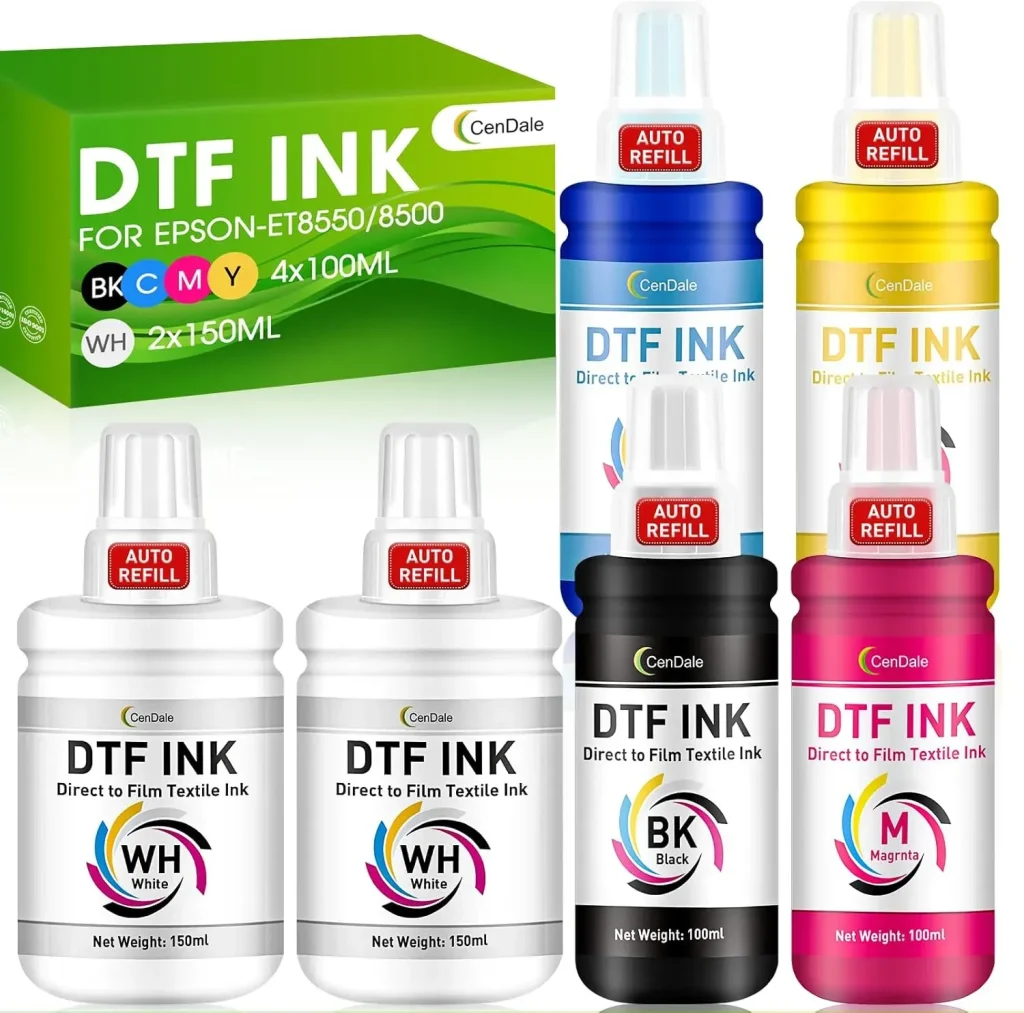
DTF ink blends cutting-edge pigment technology with fabric-friendly chemistry to deliver vivid, durable designs that feel comfortable on the skin and withstand the rhythms of everyday wear across a wide range of fabrics, while remaining compatible with common transfer films and heat-press equipment, enabling designers to push bold imagery without compromising softness. Its reputation for DTF printing durability stems from a carefully tuned balance of pigment stability, a heat-activated binder, and an adhesive transfer system that locks the ink into fibers through repeated washing, ironing, and flexing, producing prints that resist fading and cracking. The DTF ink composition centers on dispersed pigments in a water-based carrier with a robust binder that cross-links under heat, forming a durable, flexible film that bonds with textile fibers rather than simply sitting on the surface. When you weigh the direct-to-film printing benefits against DTG or screen printing, you notice sharper edges, improved white opacity on dark fabrics via the transfer, consistent color reproduction, and a softer hand that remains comfortable in activewear and everyday garments. All told, these factors support color fastness in DTF and demonstrate the technology’s remarkable DTF printing versatility across cottons, blends, and performance fabrics.
Viewed through the lens of the transfer medium, this film-to-fabric printing technique leverages heat-activated chemistry to embed color beneath a flexible layer that moves with the garment. In practical terms, the process relies on evenly dispersed pigments, a reliable binder, and a carefully engineered adhesive film that together create durable graphics without the stiffness associated with older methods. Designers often describe the method as a print-on-transfer approach, a versatile option for small runs and on-demand production, offering high color fidelity and compatibility with diverse fabrics. From a technical and artistic perspective, this approach represents a modern evolution of ink-based textiles, enabling bold artwork, photographic detail, and clean edges while preserving comfort and wash-fastness.
DTF Printing Durability: How Pigment Stability and Binder Chemistry Drive Long-Lasting Results
DTF printing durability hinges on pigment stability, dispersion quality, and binder chemistry. When pigment particles stay evenly distributed and resist agglomeration, color remains true from first press to final wear. The DTF ink composition—pigments, water-based carriers, and a robust resin binder—dictates how cleanly the color transfers during heat and pressure. A stable dispersion minimizes dulling or speckling as fabrics bend and wash. In short, the chemistry behind the ink sets the foundation for long-lasting, vibrant prints.
The bond that keeps prints intact through repeated laundering comes from a heat-activated transfer bond. As heat press temperature and pressure optimize, the binder cross-links and binds pigment to the fiber, forming a durable matrix that survives washing, ironing, and routine wear. Achieving optimal DTF printing durability also depends on correct curing, proper film quality, and clean pre-treatments for the chosen fabric. When done right, color fastness in DTF remains high, and prints stay bright with minimal cracking or fading.
DTF ink composition: Pigments, Carriers, and Binders that Create a Strong Bond
DTF ink composition combines pigment particles dispersed in a water-based carrier with a compatible binder system. The formulation emphasizes pigment stability to prevent settling and color shift during storage and use. The binder—often a polyurethane or acrylic resin—cross-links under heat to create a cohesive layer that binds the pigment to textile fibers. Put together, these components yield durability and color fidelity across fabrics and conditions.
Additives like surfactants, wetting agents, and stabilizers fine-tune ink performance, helping the ink spread evenly on the transfer film and transfer cleanly to fabric. The compatibility between pigment, binder, and the transfer film reduces issues like bleeding, edge halos, and color bleed on dark fabrics. Understanding DTF ink composition also informs how you adjust pigment selection and binder weight to achieve the desired balance of coverage, opacity, and wash resistance.
direct-to-film printing benefits: Color, Texture, and Production Efficiency
direct-to-film printing benefits include sharp, clean edges, broad color gamut, and a soft hand that wears comfortably. The combination of high-purity pigments and a well-managed deposition profile delivers crisp graphics with minimal haloing. As a result, designs reproduce logos and photos with fidelity, even on textured fabrics. Designers value the repeatability and predictable color management that underpin reliable output.
Beyond color quality, this approach supports faster setup and flexibility for small-to-mid runs. No screens to prepare means shorter lead times or quicker iterations for design tests. For shops dealing with on-demand orders, direct-to-film printing benefits translate into speed to market without sacrificing print quality. This efficiency complements the broader concept of DTF printing versatility across materials and designs.
color fastness in DTF: Keeping Vibrant Hues Through Washes and Wear
Color fastness in DTF hinges on pigment stability and binder performance under heat, friction, and moisture. The pigment’s inherent resistance to fading, combined with a heat-curable binder, resists dye migration and color bleeding during washing. When properly formulated, printed areas resist dulling on dark garments and maintain bright skin tones and gradients. This aspect is central to choosing inks and fabrics for durable outcomes.
Laboratory and real-world wash tests show how many cycles a print can survive before noticeable fading occurs, influenced by fabric type and aftercare. Careful selection of ink components and transfer parameters helps ensure the color remains stable across routine laundering and wear.
DTF Printing Versatility: Fabrics, Applications, and Creative Possibilities
DTF printing versatility spans cotton, blends, and synthetics, but each fabric type benefits from tuned binder chemistry and adhesive pre-treatments. The ability to print on diverse substrates expands design possibilities without sacrificing color fidelity. This versatility is a key reason many brands adopt DTF for on-demand runs and multi-fabric catalogs.
From bold typography to photoreal gradients, DTF opens up applications across apparel, accessories, and promotional items. The technology supports accurate color reproduction, reliable edge definition, and a soft hand that remains comfortable after wear. Exploring different fabrics and finishes demonstrates how DTF printing versatility translates into real-world performance.
From Film to Fabric: The Transfer Bond and Its Role in Durability and Flexibility
From film to fabric, the transfer process relies on a polymer-based adhesive powder applied to the printed film, cured to set the adhesive, then fused with fabric under heat and pressure. The pigment becomes embedded via the binder into the fibers, creating a durable transfer bond. This bond is central to the print’s ability to endure washing and bending without cracking or peeling.
This transfer bond enables a very thin, flexible layer that moves with the garment, preserving stretch and comfort while resisting cracking. Selecting the right heat press settings, film quality, and fabric compatibility is essential to maximize both durability and flexibility in real-world use. With proper process control, the result is a durable, vivid, and comfortable print that performs under typical wear.
Frequently Asked Questions
How does DTF printing durability depend on DTF ink composition?
DTF printing durability relies on pigment stability, binder cross‑linking, and a strong transfer bond formed during heat pressing. A well‑designed DTF ink composition—with stable pigments, an appropriate carrier, and a robust resin or polyurethane binder—creates a durable color that resists washing, cracking, and fading across cycles.
What role does DTF ink composition play in color fastness in DTF?
DTF ink composition directly affects color fastness in DTF by keeping pigments evenly dispersed and firmly bonded to fabric via the binder. Proper curing at the recommended temperature yields a pigment–binder network that resists dye migration and fading under detergents, abrasion, and light exposure.
What are the direct-to-film printing benefits of using DTF ink?
Direct-to-film printing benefits include high color density, sharp edges, and a broad color gamut, even on dark fabrics. DTF ink enables reliable white ink performance through the transfer and delivers a soft hand, making it ideal for small runs and fast design changes.
How does color fastness in DTF vary across fabrics and care routines?
Color fastness in DTF varies with fabric type: cotton often bonds strongly due to cellulose, while blends and synthetics may require optimized pretreatments or different binder chemistries. Following care guidelines—cooler washes, gentler cycles, and proper drying—helps preserve brightness and flexibility over time.
DTF printing versatility: what makes it suitable for apparel, bags, and more?
DTF printing versatility stems from the transfer-based process, which enables full‑color designs on many fabrics with a soft hand and minimal setup. This makes it well suited for apparel, bags, hats, and other items, supporting on‑demand production and rapid design changes.
What is the role of the transfer bond in DTF ink durability, and how does DTF ink contribute?
The transfer bond formed during heat pressing is central to durability. DTF ink contributes through pigment stability and binder chemistry that enable the pigment to fuse into the fabric fibers, creating a durable, wash‑fast, and flexible print that lasts beyond multiple wears.
| Topic | Key Points |
|---|---|
| Core ideas | Three pillars drive DTF: pigment stability, binder chemistry, and a heat-activated transfer bond. Together they yield vibrant color, durability through washes, and a flexible hand. |
| DTF Ink Core | Pigment stability, even dispersion, and a robust binder create a durable, color-stable print that adheres to fabric via a heat-activated bond. |
| Flexibility and Feel | Thin, flexible binder films move with the fabric to avoid stiffness, enabling comfortable athletic and casual wear without cracking. |
| Transfer Process | Transfer film with adhesive powder is cured, then heat-pressed to fuse pigment into fibers through the binder for a durable bond. |
| Color Quality & Gamut | High-quality pigments and color management enable broad gamut, crisp lines, smooth gradients, and faithful skin tones across fabrics. |
| Durability & Wash Fastness | Colorfast pigments and heat-curable binders resist fading, cracking, and dye migration over repeated washes. |
| Fabric Compatibility | CottonBonding typically strong; blends/synthetics may need pretreatments or alternative binders to optimize adhesion and comfort. |
| Ink Composition | Water-based pigment inks with binders (polyurethane/resins) and additives for flow, drying, and pigment stability. |
| DTF vs Other Technologies | Sharper edges and better white ink handling on dark fabrics vs DTG; full-color with less setup vs screen printing; sublimation suits polyester. |
| Practical Considerations | Maintain cartridges/nozzles, ensure film/adhesive uniformity, optimize heat-press parameters, and follow post-transfer care for longevity. |
| Applications | Ideal for small brands and on-demand printing: t-shirts, hoodies, bags, hats—emphasizing color fidelity and soft hand. |
| Maintenance & Sustainability | Ongoing improvements target lower VOCs, efficient binders, and safer pigments to boost color accuracy, life, and waste reduction. |
Summary
DTF ink works through a synergy of pigment stability, an effective binder system, and a heat-activated transfer that binds color into fabric fibers for durable, vivid, and flexible prints. The technology balances color density with a light hand, enabling sharp graphics on a range of fabrics while resisting wash-induced fading and cracking. By aligning ink chemistry, transfer science, and fabric compatibility, DTF ink provides reliable results for designers and brands seeking durable, comfortable, and vibrant apparel prints.