
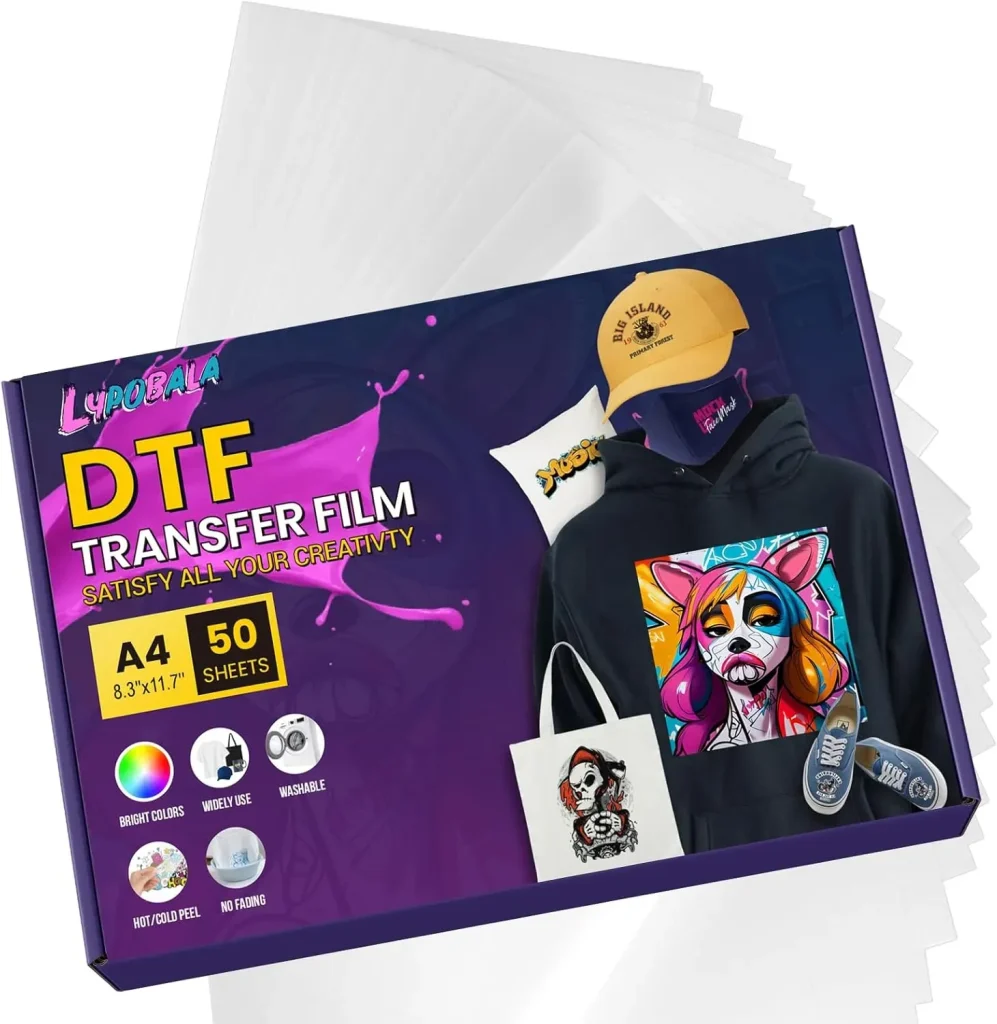
DTF film is revolutionizing apparel decoration with vibrant designs and a simple, scalable workflow. Its success relies on a reliable stack of DTF transfer film materials, including the PET base, coatings, and the adhesive powder, plus a precise DTF curing process. The broader practice, known as direct-to-film printing, is often described in industry as DTF printing film, enabling accurate color and durable transfers. Maintaining consistency hinges on DTF film maintenance, with proper storage, careful handling, and routine equipment cleaning to protect print quality. Whether you’re a hobbyist or a shop, understanding how ink, powder, heat, and fabric interact will help you achieve reliable results.
Viewed through an LSI lens, the core idea centers on a transfer sheet—the PET film that carries the ink, plus the white opacity layer and the heat-activated adhesive powder that bonds to fabric. Alternative terms you may encounter include transfer film materials, print-on-film technology, and the broader direct-to-film workflow, all describing the same end result of vibrant, durable prints. Using these semantic cues helps you select compatible inks, powders, and heat settings for different fabrics and achieve consistent wash performance. In practice, this means you can talk with suppliers and service providers in a shared language about carriers, coatings, and curing steps that impact durability.
DTF Film Essentials: Core Components and Material Roles
DTF film is the heart of the transfer process, typically a PET (polyethylene terephthalate) substrate built with coatings, a printable surface optimized for white ink opacity, and an adhesive powder layer. This DTF transfer film materials combination carries the design from printer to garment and sets the baseline for color fidelity and durability.
The key materials involved—DTF film, coatings, white and color inks, and the adhesive powder—work together to determine color accuracy, softness, and wash durability. A consistent film thickness and surface finish help ensure predictable ink deposition and efficient powder adhesion, which together influence edge definition and transfer reliability.
Choosing high-quality DTF film and maintaining it is essential for repeatable results. The right materials reduce waste and improve long-term performance, especially when streaming through higher throughput or demanding fabrics.
Direct-to-Film Printing Workflow: How DTF Film Enables Vibrant Transfers
In direct-to-film printing, the design is printed onto the DTF film using white ink for opacity and CMYK colors for vibrancy. After printing, an adhesive powder is applied while the surface is still tacky, and the film is cured before transfer.
The quality of the DTF printing film directly affects color management, opacity, and image detail. By choosing the right DTF transfer film materials and maintaining proper ink and powder compatibility, printers can achieve sharp gradients, smooth transitions, and reliable adhesion on a variety of fabrics.
Handling considerations, such as dust control and careful layering, help preserve print fidelity during the transfer preparation and reduce defects during production.
The DTF Curing Process: Activating the Adhesive Powder for Durable Bonds
Curing is the critical step that melts the adhesive powder to create a heat-activated bond with the fabric. The DTF curing process typically runs at moderate heat (roughly 120–180°C) for short durations, with precise time dictated by the adhesive and film being used.
Even heat distribution and proper airflow ensure the adhesive fuses evenly across the design, reducing gloss marks, color shifts, or incomplete adhesion. After curing, the printed film should be allowed to cool briefly to minimize micro-ruptures and improve bond stability.
Always follow the adhesive manufacturer’s guidelines and test swatches to dial in the correct temperature, time, and pressure for consistent results across batches.
Choosing and Managing DTF Film Materials: Thickness, Finish, and Performance
Film thickness and uniformity influence feed stability, ink opacity, and transfer quality. Thicker films can support more opaque white inks but may require more precise handling in budget printers, while uniform thickness reduces warping and visual inconsistencies.
Surface finish and release characteristics affect ink deposition, powder adhesion, and clean release from the transfer sheet. A smooth, non-tacky surface helps with even ink laydown and easier powder application, contributing to vibrant color and crisp detail.
Key factors like heat resistance, compatibility with dyes and powders, and ambient handling conditions should guide material selection. Considering the broader spectrum of DTF transfer film materials ensures compatibility with your curing equipment and fabrics.
DTF Film Maintenance and Storage: Prolonging Film Life
Storage practices are essential for maintaining film performance. Keep DTF film in a cool, dry place away from direct sunlight and moisture. Seal reels or sheets to minimize dust intrusion, and store in a way that preserves flatness and surface integrity.
Handling and cleaning routines reduce surface contamination. Use clean gloves or avoid touching the printable surface, and regularly clean the print bed, rollers, and cooling fans to prevent ink buildup that can affect alignment and color accuracy.
Ongoing maintenance includes monitoring powder application, curing equipment performance, and post-transfer inspection. A clean, organized workspace minimizes defects and helps sustain consistent transfer quality over time.
Troubleshooting, Best Practices, and Longevity for DTF Transfers
Common issues like color shifts, uneven powder adhesion, ghosting, or peeling are often linked to color management, curing precision, or film quality. Address these by recalibrating ink densities, verifying white ink opacity, and ensuring the curing step fully activates the powder.
Adopt best practices such as calibrating color profiles for different fabrics, conducting small test batches, and maintaining a quality log that tracks film lots, ink lots, powder lots, and cure settings. These steps help reproduce successful results and speed up troubleshooting.
For long-term durability, plan for consistent heat transfer, proper pressure, thorough pre-press prep, and regular maintenance checks of film stock and equipment. Practical tips include testing washes, layering white ink for opacity on dark fabrics, and using routine inspections to prevent minor issues from becoming costly problems.
Frequently Asked Questions
What is DTF film and what are its key components in a DTF printing workflow?
DTF film is a PET transfer film used in direct-to-film printing. The DTF transfer film materials include the base PET layer, coatings to improve ink adhesion and white opacity, and the adhesive powder that bonds during curing. In a DTF printing workflow, you print designs on the film with inks, apply adhesive powder, cure the powder, and press the film onto fabric or substrate to transfer the design.
What is the DTF curing process and why is it critical for transfer durability?
The DTF curing process melts the adhesive powder, creating a micro-bond matrix that anchors the design to the fabric. Typical values are 120–180°C and 8–25 seconds, but always follow the adhesive and film manufacturer’s guidelines. Use even heat and airflow, then allow the design to cool briefly after curing to prevent micro-cracking and edge peel.
What are the essential steps for successful direct-to-film printing with DTF film?
A successful workflow starts with printing on DTF printing film using water-based pigment inks, including white ink for opacity on dark fabrics. After printing, apply adhesive powder evenly, cure it with your heat source, and then transfer the film onto the substrate using a calibrated heat press. Monitor color management and perform DTF film maintenance checks to keep the process reliable.
How should I maintain my DTF film system to extend its life?
Maintain DTF film and equipment by storing film in a cool, dry place away from direct sunlight, handling with clean gloves, and keeping the print bed and rollers clean. Regularly inspect and service curing equipment, dust-free transfer surfaces, and ensure consistent dust-free powder application. Refer to DTF film maintenance best practices to reduce waste and preserve print quality.
What common issues affect DTF film transfers and how can I troubleshoot them?
Common issues include color shifts or fading, powder not adhering uniformly, ghosting, or peeling after transfer. Troubleshoot by checking color management and white ink opacity, ensuring even powder distribution and proper curing temperature/time, cleaning the transfer surface, and validating film quality before printing. If problems persist, re-evaluate your direct-to-film printing workflow and DTF curing process to ensure proper activation.
How do I choose the right DTF transfer film materials for my setup?
Choose DTF transfer film materials based on thickness and uniformity, surface finish, release characteristics, and heat resistance. Consider compatibility with your DTF printing film inks, white and color inks, and adhesive powders. Evaluate film thickness, coatings, and practical factors like cost and supplier support; run test prints to verify color, adhesion, and wash durability.
| Aspect | Key Points |
|---|---|
| What is DTF Film? | A specialized PET transfer film used as the carrier in direct-to-film printing; includes a base film, printable surface, and adhesive powder; after printing, powder is cured and the film is pressed onto the substrate to form the bond. |
| Materials Involved | DTF Film, inks (water-based pigments or UV-curable), white ink & color inks, adhesive powder, cure equipment, transfer backings, substrates, post-processing tools. |
| DTF Curing Process | Cures the adhesive powder to create a micro-bond with the fabric; typical temperatures ~120–180°C for a short time; requires even heat and airflow; allow the design to cool briefly after curing. |
| Direct-to-Film Printing Overview | The broader method that uses the film to create transfer-ready designs, enabling vibrant colors, smooth gradients, and fine details on textiles and other substrates. |
| Maintenance & Longevity | Store film cool and dry; handle with clean gloves; clean printer components; ensure even powder application; inspect curing equipment; perform post-transfer checks to catch issues early. |
| Best Practices for Durability | Calibrate color management, use high-quality materials, apply consistent heat and pressure, test wash durability, and keep a quality log for batch traceability and repeatable results. |
| Common Issues & Fixes | Color shifts, uneven powder adhesion, ghosting, peeling, or micro-cracking; address via correct color profiles, even powder, proper curing settings, and clean transfer surfaces. |
Summary
DTF film is the cornerstone of a reliable direct-to-film printing workflow. By understanding the role of the film, the materials involved, the curing process, and the maintenance required, you can achieve consistent, durable transfers with vibrant color and sharp detail. Investing in quality DTF film materials, following precise curing guidelines, and implementing a solid maintenance plan will pay dividends in print quality, efficiency, and customer satisfaction. Whether you are just starting with DTF printing or refining an established operation, a thoughtful approach to the film, the curing, and the ongoing care will help you realize the full potential of DTF transfers.