
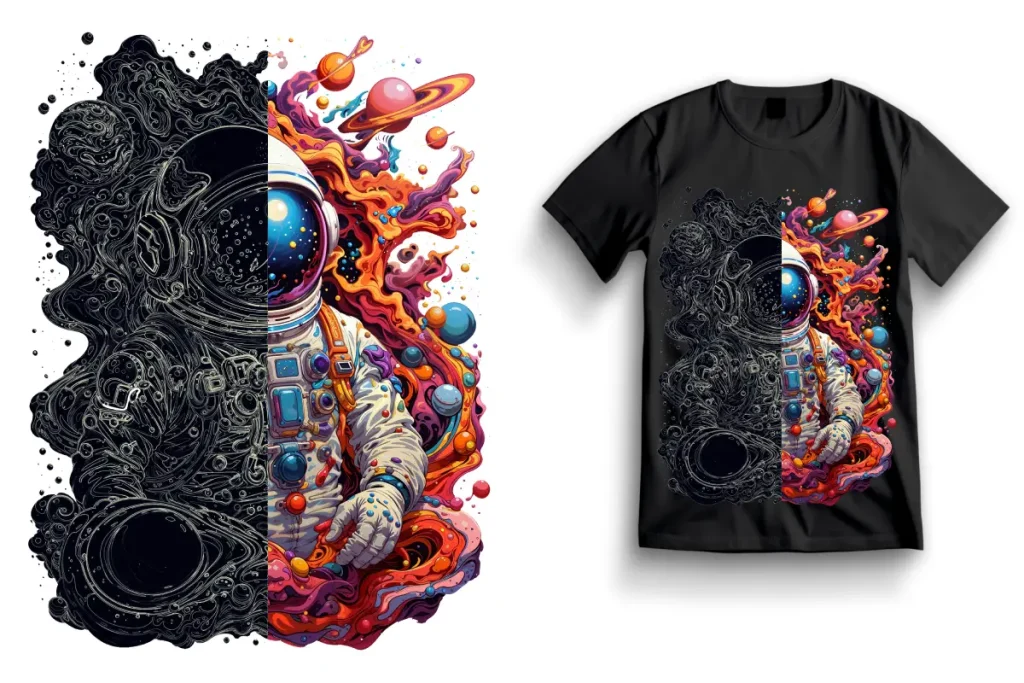
The apparel manufacturing sector is currently experiencing an era of massive structural adaptation where operational agility directly dictates profitability. For years, independent clothing lines, uniform companies, and promotional agencies struggled to balance the financial barriers of traditional screen printing against the low-capacity constraints of older digital printing equipment. The emergence of professional dtf transfers has completely dissolved these operational limits. This versatile technology enables decorators to produce vibrant, detailed custom garments on demand, eliminating messy physical screens, weeding labor, and minimum order requirements while giving brands total creative freedom to scale their operations efficiently.
At the center of this movement is advanced DTF (Direct-to-Film) engineering, a system designed to treat fabric substrates universally rather than selectively. The technique works by running high-resolution pigment inks through precise industrial printheads onto a coated polyester carrier film. Instantly after printing, a unique thermo-plastic polyurethane powder is distributed across the wet ink surface and heated to form a robust, flexible adhesive layer. When pressed onto apparel with a commercial heat unit, this adhesive layer locks directly into the fabric pores, creating a durable, stretchable design that moves with the garment fibers rather than sitting like a thick plastic plate on the wearer’s chest.
The Production Science Behind Superior Film Graphics
Understanding why this digital decoration methodology outperforms older heat transfers requires a quick look at the precise chemical and mechanical variables balanced during production. Unlike basic vinyl lettering or sub-par home conversions, industrial direct-to-film production relies on exact temperature control, continuous ink management, and high-purity polymer adhesives to yield consistent results day after day.
The depth of color and complete opacity of the print depend entirely on a two-stage ink deposition process. The printing machinery first lays down the colorful cyan, magenta, yellow, and black inks to build the design, and then immediately caps the entire layout with a thick white underbase ink. This heavy white layer serves as a critical light shield. When you press the final transfer onto dark fabrics like navy polyester or deep black cotton, the white background blocks the base garment color from bleeding through, ensuring your shades stay incredibly bright and true to your original digital design file.
The flexible feel of the garment is determined by the quality and melting curves of the adhesive powder. Top-tier powders are ground down to exact, small grain sizes to ensure uniform coverage across tiny design elements and soft shadow fades. When cured correctly under automated heating systems, the powder creates a powerful cross-linked bond. This molecular cross-linking makes sure the design stays locked to the fabric through intense mechanical washing cycles, hot dryer exposure, and rigorous everyday wear without cracking or peeling around the edges.
Operational Breakthroughs for Growing Clothing Businesses
Transitioning away from conventional screen setups to high-grade digital transfers offers immediate advantages for your daily workshop operations. By changing how your shop handles incoming inventory, fulfills rush orders, and processes complex artwork, you can build a more profitable business model. The primary benefits include:
- Universal Fabric Compatibility: Traditional printing requires completely different inks for cotton and polyester. Digital film transfers ignore these textile barriers entirely, bonding with absolute stability to 100% cotton, synthetic polyesters, elastic tri-blends, heavy canvas bags, and rugged nylon performance gear.
- Perfect Fine Detail Execution: Intricate typography, complex vector lines, distress effects, and photorealistic portraits are produced with crisp edges, bypassing the mesh limitations that usually complicate screen printing.
- Zero Chemistry Workspace: Moving to digital transfers eliminates the need for darkrooms, toxic screen emulsions, heavy chemical wash stations, and screen storage racks, drastically lowering local shop real estate and safety expenses.
- Smart Inventory Control: Instead of pre-printing large piles of shirts before a seasonal product launch, brands can print hundreds of designs onto compact, space-saving sheets. You can store these transfers flat for months and press them onto garments only after a customer places an order online.
Securing Elite Material Supplies Within Your Region
When unexpected corporate uniform contracts land on your desk or weekend event deadlines rush toward your team, relying on long-distance national freight lanes or unpredictable international shipping pipelines can put your company’s reputation at serious risk. This supply chain vulnerability causes smart shop owners and apparel creators to constantly look for top-tier dtf transfers near me to ensure immediate local turnaround and eliminate steep express shipping costs. Working with a regional manufacturing hub lets your production team pick up custom film rolls directly, keeping your heat presses running smoothly.
However, proximity should never come at the expense of strict production quality. When vetting regional printing facilities, always check their mechanical environment. Professional print operations carefully regulate their workshop temperature and relative humidity. Excess air moisture can cause water-based inks to bead up on the carrier film or make the raw adhesive powder clump together inside the shaker bins. Partnering with a dedicated facility that treats climate management seriously ensures that every roll of film you pick up applies predictably and easily to your garments.
The Lone Star Standard for Custom Apparel Manufacturing
The custom apparel market throughout Texas is highly competitive, and keeping the attention of corporate clients and fashion consumers requires a finished product that looks and feels retail-ready. Securing the best dtf transfer at Houston demands a partnership with an industrial production center that explicitly understands how to navigate the regional climate. The high heat and intense ambient humidity of the Gulf Coast region can easily degrade sensitive printing films and raw adhesive powders if they are not stored and processed in a perfectly climate-controlled facility, making professional expertise non-negotiable.
Premium local manufacturing hubs stand apart by running wide-format industrial printing equipment fitted with automated white ink agitation systems. Because white titanium dioxide ink is dense and heavy, it naturally tends to settle and clog line feeds if left static. Continuous loop circulation systems eliminate this problem completely, maintaining an even blend that produces solid white underbases all day long. Getting your supplies from an expert facility that refuses to cut corners on raw materials means your prints press easily, peel smoothly, and provide the clean matte texture your buyers expect.
Maximizing Production Workflow with Local Partners
Partnering with a dedicated Houston dtf transfer expert gives local businesses a major advantage when it comes to supply chain speed. Instead of wasting valuable days waiting for nationwide transit paths to clear, local makers can submit digital design files and collect completed print rolls within extremely tight fulfillment windows. This rapid turnaround allows your brand to confidently accept last-minute event projects, local sports league uniform updates, or fast-moving pop-culture design trends without hesitation.
To get the absolute most out of this local production speed, mastering the setup of a custom gang sheet is highly recommended. A gang sheet involves organizing multiple artwork files of different shapes and sizes onto a single continuous roll of printing film. By nesting large chest designs tightly alongside small sleeve accents, hat logos, and custom neck labels, you fill every square inch of the film width. This layout technique lowers your overall cost per print, reduces scrap waste, and speeds up the output of your heat press station during high-volume assembly runs.
The Professional Calibration Blueprint for Heat Application
Even an flawlessly printed design will fail to perform if the final heat press phase is handled carelessly. Creating a permanent bond between ink layers and fabric threads requires precise control over temperature, dwell time, and physical pressure. Follow this exact technical sequence to ensure perfect results across your production runs:
- Calibrate the Heat Press: Power on your heavy-duty manual or pneumatic heat press and allow the top platen to reach full temperature stability. For standard ring-spun cotton garments, set the press to 315°F (157°C). If working with delicate synthetic polyesters prone to heat bruising, drop the temperature down to 280°F (138°C) to safeguard the fabric structure.
- Perform the Moisture Pre-Press: Position the textile flat on the lower silicone pad and lock the press down for 5 seconds. This critical step drives out hidden ambient moisture trapped inside the fabric weave and flattens the surface fibers, ensuring the hot-melt adhesive makes direct contact with the core threads.
- Position the Design Film: Lay the cured film sheet carefully onto the garment, making sure the textured adhesive powder side rests directly against the fabric surface. Use laser guides or placement rulers for uniform positioning across your batch.
- Execute the Primary Fusion: Lower the heat platen with firm, heavy pressure (approximately 50 to 60 PSI) and hold the press closed for exactly 12 to 15 seconds. Make sure your press applies uniform pressure across the entire surface area of the design to avoid soft spots at the edges.
- Enforce Complete Ambient Cooling: Remove the garment from the press and set it completely flat on a clean cooling table. Allow the sheet to return to absolute room temperature. Attempting to peel the film while it remains warm will fracture the semi-solid adhesive polymer, tearing the crisp borders of your graphic.
- Perform the Smooth Parallel Peel: Once cold to the touch, secure one corner of the carrier film and pull it back smoothly in a low, continuous motion. Keep the film close and parallel to the fabric surface during the pull rather than ripping it upward at a sharp angle.
- Conduct the Final Matte Finish Press: Place the peeled garment back onto the lower platen, lay a sheet of premium silicone parchment paper or a textured matte finishing pad directly over the exposed print, and compress for an additional 5 seconds. This secondary step locks the ink deeply into the fabric pores and eliminates any unwanted plastic sheen, leaving a premium, ultra-soft matte finish.
Frequently Asked Questions
What causes custom digital transfers to lift or crack after standard laundry cycles?
This common failure pattern is almost always tied to insufficient pressure or low temperatures during the heat press cycle. If a domestic home iron or lightweight craft press is used instead of a true commercial unit, the adhesive powder fails to reach its complete melting point, preventing it from cross-linking with the fabric fibers. Always verify your actual platen temperature with an infrared thermometer and ensure your press applies firm, heavy pressure across the whole design surface.
Can you safely run a household iron directly over direct-to-film prints?
Direct exposure to a hot household iron will instantly melt the thermoplastic polyurethane adhesive base of the graphic, distorting the artwork and ruining the clothing item. If an end-user needs to remove wrinkles from the shirt, they must turn the garment completely inside out and use low heat with a protective cloth placed between the iron and the fabric face.
How should these custom printed garments be washed for maximum lifespan?
To preserve the vibrant colors and soft hand-feel of the print, turn the clothing inside out before tossing it into the machine. Wash using cold or warm water settings alongside mild detergents. Avoid strong chlorine bleaches and liquid fabric softeners, and opt for low-heat tumble drying or simple line drying to keep the design looking brand new for years.
How long can unused printed film sheets be safely stored before pressing?
When kept in a stable, climate-controlled setting, unapplied film prints can easily remain fully viable for well over a year. Store your unused transfers flat inside sealed, airtight bags away from direct sunlight, high heat, and ambient moisture to protect the adhesive layer from degrading over time.
Securing Your Brand’s Production Edge
Navigating the rapidly moving custom apparel sector requires working with manufacturing partners who understand that precision, consistency, and clear communication are fundamental to your success. At Harwin DTF, we concentrate on delivering premier production materials designed to keep your shop moving efficiently, removing unexpected workflow disruptions and sub-par texture results from your daily schedule. By pairing high-performance wide-format print infrastructure with top-tier pigment ink profiles, we make sure that every custom gang sheet we fulfill mirrors your digital artwork files exactly. Partnering with our specialized industrial facility allows you to focus your energy on growing your client base, secure in the knowledge that your finished garments will consistently meet the rigorous quality standards of the modern retail market.