
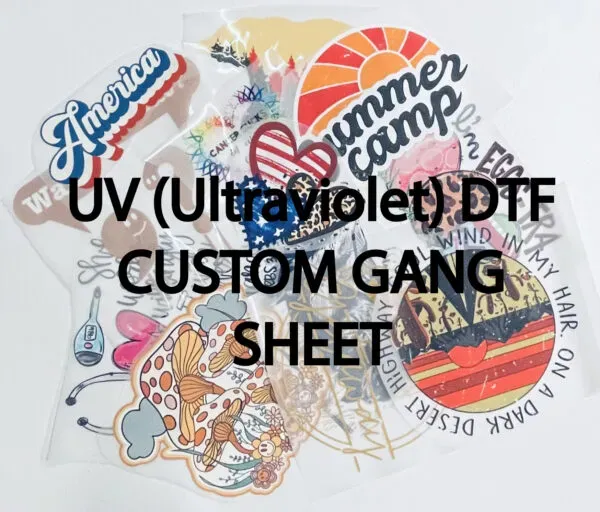
UV DTF Gangheet is revolutionizing the way we approach design and printing in today’s fast-paced graphic design landscape. This cutting-edge technology leverages the power of ultraviolet light to cure inks, ensuring stunning, vibrant prints that can be applied on various substrates with exceptional durability. Whether you're working on promotional merchandise or custom textiles, understanding UV DTF printing enables you to create stunning designs that captivate audiences. In this guide, you will discover the entire design process, from selecting the right graphic design software to finalizing your prints. Dive into the world of printing techniques that make UV DTF Gangheet a game-changer for creative professionals.
Exploring the innovative realm of direct-to-film printing methodologies, UV DTF Gangheet stands out as a key player among modern printing solutions. This method, often referred to as ultraviolet digital transfer printing, allows creatives to achieve breathtaking visuals that maintain their allure over time. By employing advanced printing techniques, artists and designers can craft intricate designs that speak to their unique style and vision. Harnessing graphic design software for creating such impressive visuals lays the groundwork for successful projects, making every step of the design process crucial. As we delve into the specifics of this printing frontier, you'll gain insights into turning ideas into visually stunning realities.
Getting Started with UV DTF Printing
UV DTF printing has revolutionized the way designers can bring their ideas to life. As a user-friendly and efficient printing technique, it empowers creators to work confidently with various materials. The process begins by understanding its fundamental components, such as UV inks, specialized printing films, and the curing system that binds the colors to your chosen substrate. An introductory step into UV DTF printing is essential, as it lays the groundwork for designers to become proficient in utilizing this innovative technology.
Furthermore, mastering UV DTF printing involves an exploration of its unique capabilities. Unlike traditional printing methods, UV DTF allows for detailed designs with vibrant, eye-catching colors that remain robust over time. By considering different applications—whether it be for textiles, metal objects, or custom décor—designers can tap into this technology to produce versatile and marketable products that cater to various audiences.
Essential Tools for Designing with UV DTF
To excel in UV DTF printing, equipping yourself with the right graphic design software is crucial. Programs such as Adobe Illustrator and CorelDRAW are highly recommended for their ability to handle complex graphics and provide the precision needed for intricate designs. These tools allow designers to create stunning visuals that can be seamlessly transitioned into the printing phase. Users can integrate layers, textures, and special effects that enhance their artwork while ensuring that all design specifications meet UV DTF standards.
Moreover, while selecting the software, designers should also familiarize themselves with features that support color management. Printing in CMYK mode is essential for achieving accurate color reproduction, as UV DTF printing relies heavily on this model to bring vibrant designs to life. Understanding these essential tools not only streamlines the creativity process but also boosts the quality of the final output, making it imperative for anyone invested in UV DTF printing to prioritize their software choices.
Choosing Materials for UV DTF Gangheet
The quality of materials used in UV DTF printing significantly impacts the final product. When choosing UV DTF films, it’s essential to look for those specifically manufactured to absorb UV light effectively. Such films enhance adhesion and are paramount for achieving vivid prints that maintain their vibrancy over time. Designers should explore various film options, ensuring compatibility with their UV DTF printer and the demands of their specific projects.
Additionally, the substrate selection cannot be overlooked. Popular materials include fabrics, plastics, metals, and wood, each offering different textures and qualities that can affect the printing process and the final appearance of the design. By understanding the characteristics of each substrate, designers can make informed decisions that enhance the overall impact of their prints, paving the way for attractive and durable products.
Configuring Your UV DTF Printer For Success
Proper printer configuration is key to achieving optimal results with UV DTF printing. Each printer comes with unique settings tailored to specific materials, which can include adjustments for speed, ink density, and curing time. Familiarizing oneself with these variables is crucial to ensure the printer operates seamlessly and delivers prints that meet quality expectations. Manufacturers usually provide guidelines that should be diligently followed to maximize the efficiency of the printing process.
Calibration is another critical step in printer configuration. Achieving color accuracy is vital for any design work, particularly in UV DTF printing, where colors can significantly differ between monitor display and printed output. By taking the time to calibrate the printer and perform test prints, designers can save time and resources in the long run while ensuring their final prints are as true to the original design as possible.
The Printing Process of UV DTF Designs
Once everything is configured, it’s time to dive into the printing process itself. The initial step involves laying a white base of ink, which is crucial for producing dynamic colors that pop against the substrate. This foundational layer provides a solid base, enhancing both the vibrancy and longevity of the colors applied. Understanding this layering technique is essential for achieving high-quality outputs in UV DTF printing.
Following the application of the white ink, the colored inks can be applied, allowing for complex designs with gradients and meticulous details. This versatility is one of the major advantages of UV DTF printing, enabling designers to experiment with everything from simple graphics to intricate illustrations while ensuring that every detail stands out. The mastery of this process will ultimately contribute to producing breathtaking designs that can impress clients and consumers alike.
Finishing Touches in UV DTF Printing
To elevate the quality of prints produced through UV DTF Gangheet, implementing finishing touches can make all the difference. Lamination is a recommended technique that provides an extra layer of protection against the elements, enhancing the durability of the design while adding a glossy or matte finish depending on your preference. This step not only safeguards the prints but also makes them more visually appealing, which is crucial in attracting customers in a competitive market.
Beyond lamination, designers can also incorporate textures or special effects, such as metallic finishes or glitter, to create unique designs that stand out. These additional elements can transform standard prints into captivating works of art, capturing the attention of viewers and leaving a lasting impression. By paying careful attention to these finishing steps, designers can add immense value to their products, ensuring they meet the high standards expected in today’s design landscape.
Frequently Asked Questions
What is UV DTF Gangheet and how does it work?
UV DTF Gangheet refers to the Direct-to-Film printing technique that uses ultraviolet light to cure inks, creating stunning designs with high durability. This method involves preparing a design, selecting the right materials, configuring a specialized printer, and curing the print with UV light, resulting in vibrant graphics that can be applied to various substrates.
What are the key advantages of using UV DTF printing for my designs?
Utilizing UV DTF printing with Gangheet offers numerous advantages, including exceptional print quality, increased durability, versatility across different materials, and cost-effectiveness for production. These features make it ideal for creating everything from custom apparel to promotional items that stand out.
How can I prepare my designs for UV DTF Gangheet printing?
To prepare designs for UV DTF Gangheet printing, use graphic design software like Adobe Illustrator, set the correct dimensions and resolution (300 DPI), and save your artwork in supported formats (.PNG or .PDF), ensuring the use of CMYK color mode for accuracy.
What materials should I select for UV DTF printing?
When working with UV DTF Gangheet, choose high-quality UV DTF films that absorb UV light effectively, and select suitable substrates such as textiles, metals, plastics, or wood, depending on the desired application and characteristics of your design.
How does the UV curing process enhance my prints with UV DTF Gangheet?
The UV curing process is critical in UV DTF Gangheet printing as it solidifies the inks quickly, resulting in vibrant, durable prints. Proper exposure to UV light ensures that your designs resist scratching, fading, and maintain their colors longer than conventional printing methods.
Are there any finishing touches I can add to my UV DTF Gangheet printed designs?
Yes, you can apply finishing touches such as lamination for added protection and durability, or incorporate textures and special effects like glitter to create unique visual elements that enhance the appeal of your UV DTF Gangheet printed designs.
| Step | Description |
|---|---|
| 1. Preparing Your Design | Choose appropriate software, set dimensions and resolution, and save in compatible formats. |
| 2. Selecting the Right Materials | Choose coated films and suitable substrates like textiles and plastics. |
| 3. Printer Configuration | Adjust settings for material, including resolutions, speed, and calibration. |
| 4. Printing Your Design | Print a white ink base followed by colored inks for detailed designs. |
| 5. Curing the Print | Cure printed film using UV light for durability and resistance. |
| 6. Transferring Your Design | Transfer designs to substrates using heat press or adhesive techniques. |
| 7. Finishing Touches | Consider lamination and textures for enhanced durability and appeal. |
Summary
UV DTF Gangheet represents a revolutionary method in the realm of printing technologies, allowing designers to bring their creative visions to life with unparalleled precision and durability. This comprehensive guide elucidates the step-by-step process from design preparation to finishing touches, emphasizing the importance of selecting the right materials and techniques. As you explore the remarkable capabilities of UV DTF printing, you'll discover its versatility across various applications, ensuring your designs not only capture attention but also withstand the test of time. Delve into this innovative printing solution and unleash your creativity to produce stunning designs that stand out in any market.