
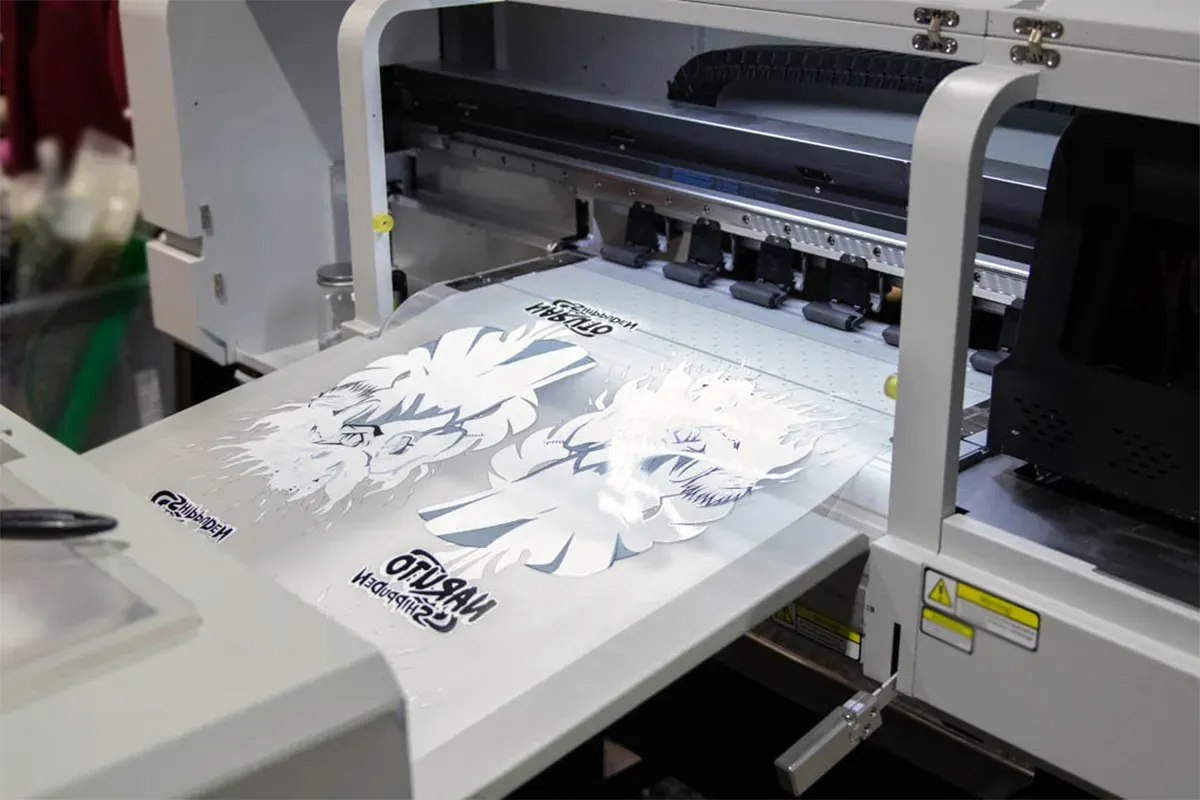
Maximizing print quality with DTF is crucial for any business looking to stand out in the competitive world of custom printing. As Direct-to-Film (DTF) printing continues to gain popularity for its ability to produce high-quality prints, understanding the key factors that contribute to superior results becomes essential. From adjusting printer settings to selecting the right materials, every detail matters in achieving vibrant and durable designs. In this guide, we will explore essential DTF printing tips that not only enhance your prints but also streamline your production process. By implementing these strategies, you can ensure your designs are not only visually striking but also long-lasting.
When it comes to achieving the best results in digital textile printing, various terms and methods come into play, notably, techniques like Direct-to-Film (DTF) printing. This innovative approach has revolutionized the way designs are transferred to garments, making it easier to create stunning visuals with remarkable color accuracy. Success in this arena requires a solid grasp of printer configurations, effective design processes, and material selection, all of which contribute to producing standout prints. Exploring alternatives such as UV DTF printing can also provide unique benefits and insights into the diverse capabilities available in modern printing technology. By understanding these terms and their implications, you can enhance your printing endeavors and elevate the quality of your creations to new heights.
Maximizing Print Quality with DTF: Proven Techniques
Maximizing print quality with DTF requires a deep understanding of the DTF printing process and how various factors interact to produce vivid, long-lasting designs. One essential technique involves optimizing the printer settings to align with the specifications of the DTF film and transfer materials. Adjusting the resolution to the optimal level ensures that images maintain their sharpness and detail, which is particularly crucial in garment printing. Additionally, regularly calibrating color profiles will assist in achieving accurate color reproduction, further enhancing the overall print quality.
Another effective technique to enhance print quality involves the careful selection of inks and films. Investing in high-quality inks that offer excellent adhesion and durability can significantly affect the vibrancy and longevity of the printed designs. Similarly, choosing the appropriate soft DTF transfer films designed to work seamlessly with your printer will help achieve superior results. These techniques not only enhance the aesthetic appeal of the prints but also contribute to their resilience against wear and environmental factors.
Design for DTF: Crafting the Perfect Image
When designing for DTF printing, the goal is to create compelling visuals that translate well onto fabric. Choosing the right image format is critical. Formats such as PNG or TIFF retain high detail levels, reducing pixelation and ensuring crisp, clear images. By avoiding lossy formats like JPEG, you preserve the color integrity and detail of your original design, which is vital for achieving high-quality prints.
In addition, working with the CMYK color mode is imperative for DTF printing as it aligns colors accurately with the printing process. This mode ensures that the printed output reflects what you see on your screen, minimizing discrepancies and enhancing the vibrancy of the colors. Designers should also consider the scale and placement of their graphics carefully, as these elements can significantly impact the overall appearance and effectiveness of the final print.
Essential DTF Printing Tips for Better Outcomes
Implementing general printing tips can streamline the DTF process and significantly improve print quality. Utilizing gang sheets allows for multiple designs to be printed on a single DTF film, which reduces material waste and ensures efficient usage of resources. This technique is not only cost-effective but also enables you to optimize your time and efforts, contributing to a more productive workflow.
Additionally, maintaining a strict routine for equipment maintenance cannot be overstated. Regularly cleaning printheads and calibration adjustments directly influence the quality of the output. Dirty or misaligned equipment may lead to color inconsistencies or even printing defects, which detracts from the professionalism of your final products. Establishing a proactive maintenance schedule is instrumental in achieving consistent, high-quality results in DTF printing.
Choosing the Right Materials for DTF Success
Material selection plays a pivotal role in maximizing print quality with DTF printing. High-quality inks that are specifically designed for DTF applications ensure excellent color vibrancy and longevity. It’s essential to choose inks that are compatible with the chosen transfer films to achieve optimal results. Furthermore, investing in soft transfer films aids in the smooth application of designs onto fabrics, allowing the prints to be flexible and durable.
Along with inks, selecting the appropriate substrates is equally important. Fabrics with a smooth texture yield better transfer results as they allow for close contact with the DTF film during the transfer process. This not only improves the adherence of the design but also enhances the tactile quality of the finished product, providing a premium feel that is crucial in the competitive garment printing market.
UV DTF Printing: Unique Considerations for Quality
When stepping into the realm of UV DTF printing, it’s essential to adapt your approach due to the unique nature of UV curing technology. One primary adjustment involves modifying printing parameters to accommodate the differences in how UV inks cure compared to traditional DTF inks. Careful testing of different settings can help identify the optimal combinations that yield the best print results with UV inks, enhancing color vibrancy and surface durability.
Moreover, understanding the properties of the UV inks and their interaction with substrates is critical. For instance, certain materials may require pre-treatment to ensure proper adhesion and to avoid common issues such as cracking or peeling post-curing. Keeping these considerations in mind will allow you to leverage the advantages of UV DTF printing while still achieving high-quality outputs that meet industry standards.
Regular Maintenance: A Commitment to Quality in DTF
A commitment to regular maintenance is vital for achieving consistent and high-quality prints in DTF printing. Ensuring that your printers are clean and calibrated not only protects your investment but also directly impacts the results you achieve. Neglecting maintenance can lead to build-ups that affect the print heads, resulting in undesirable marks or color disparities on the finished product.
Additionally, regular inspections and maintenance of the equipment help to spot potential issues before they escalate into larger problems. Creating a proactive maintenance plan could involve checking for ink consistency, ensuring proper environmental conditions, and routinely replacing worn parts. By committing to these practices, you will ensure that your DTF printing workflow remains efficient and that the print quality consistently meets or exceeds expectations.
Frequently Asked Questions
How can I optimize my printer settings for maximizing print quality with DTF?
To maximize print quality with DTF, set your printer resolution to 1440x720 dpi for a balance of quality and speed. Reduce ink density to prevent over-saturation, use soft DTF transfer films for better flexibility, and apply thinner layers of ink to avoid build-up and maintain detail.
What design considerations should I keep in mind for high-quality prints with DTF printing?
Maximizing print quality with DTF involves using high-quality design formats like PNG or TIFF instead of JPEG, which compresses images. Always use CMYK color mode as it aligns with printing standards, ensuring vibrant and accurate color representation in your DTF prints.
What are some general DTF printing tips for achieving the highest print quality?
Utilize gang sheets to print multiple designs on one film, reducing waste and cost. Additionally, regular maintenance of your printers, including cleaning and calibration, is essential to ensure consistent high-quality prints in your DTF printing process.
How does material selection affect the quality of DTF prints?
Quality materials are crucial for maximizing print quality with DTF. Invest in high-quality inks and films to prevent dull prints and fading. Make sure to check that your chosen materials are compatible with your printer for the best results and durability.
What specific guidelines should I follow for UV DTF printing to maximize quality?
For UV DTF printing, it's important to adjust printing parameters to align with the unique curing aspects of UV technology. Test different settings to find the optimal parameters that yield the best print quality and vibrant results with your DTF projects.
Why is ongoing maintenance important for maximizing print quality with DTF printing?
Ongoing maintenance is vital for maximizing print quality with DTF as it keeps equipment in optimal condition. Regular cleaning and calibration help avoid issues like ink drying in the nozzles, ensuring that you produce consistent, high-quality prints every time.
| Aspect | Key Points |
|---|---|
| Understanding DTF Printing | DTF printing involves transferring designs onto materials using heat and pressure, focusing on printer settings, design, material choice, and maintenance. |
| Optimize Printer Settings | Set the resolution to 1440x720 dpi, lower ink density, use soft DTF transfer films, and apply thinner layers of ink for better quality. |
| Design Considerations | Use PNG or TIFF formats instead of JPEG and opt for CMYK color mode for vibrant prints. |
| General Printing Tips | Utilize gang sheets for efficiency and regularly maintain printers for consistency. |
| Material Selection | Invest in high-quality inks and films, and ensure compatibility with your printer. |
| UV DTF Guidelines | Adjust printing parameters for UV curing technology to achieve optimal results. |
Summary
Maximizing print quality with DTF involves a comprehensive understanding of various strategies to enhance the final output. From optimizing printer settings, carefully selecting materials, and ensuring the right design choices to maintaining your equipment and implementing efficient printing techniques, each step plays a crucial role in achieving superior results. By adhering to these essential tips, you can ensure that every print not only meets but exceeds expectations, showcasing vibrant and long-lasting designs that stand out in the marketplace. Embrace these practices to fully harness the capabilities of DTF printing and elevate your creation process.