
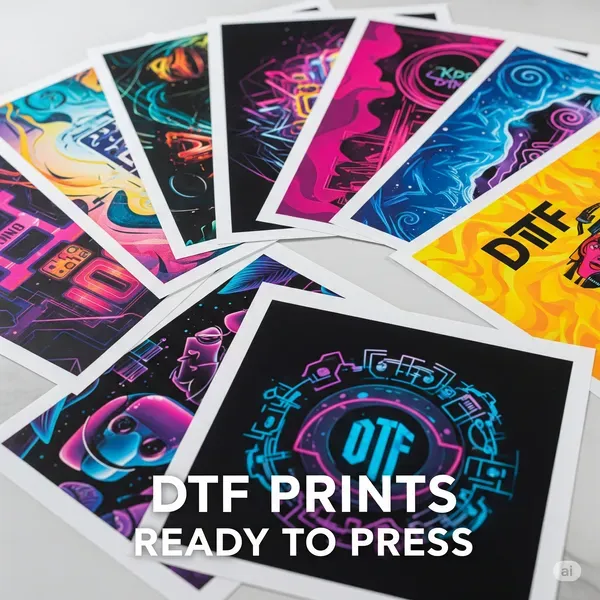
Durable DTF prints offer vibrant, long-lasting graphics that resist fading and cracking through countless washes. When the setup is right, you’ll notice consistent color, crisp edges, and reliable wear performance across a range of fabrics and applications. DTF printing tips emphasize proper ink, film, and powder choices to maximize transfer longevity. A practical approach to film selection and heat-press calibration helps ensure the design bonds evenly to a variety of fabrics, improving consistency and durability, while monitoring alignment and texture over time. With careful post-press care and testing, you can extend the life of your prints across garments and accessories.
Beyond the basics, this approach reframes DTF work as a system where ink chemistry, adhesive powders, and fabric substrates collaborate for endurance. In practical terms, designers think of film-based transfers as art applied through a careful balance of temperature, pressure, and dwell time, so graphics stay sharp after dozens of washes. The language here leans on related concepts such as film-to-powder compatibility, substrate preparation, and post-press treatment, which helps search engines connect the topic to related queries without repetitive phrasing. By describing the process in reader-friendly terms—quality materials, precise settings, and proactive care—you guide readers toward reliable, long-lasting results.
Understanding Durable DTF Prints: What Makes Them Last
Durable DTF prints rely on a tight, well-integrated process. The four core elements—high-quality inks, a compatible film and adhesive powder, precise heat and pressure, and proper post-press care—collectively determine color retention, edge integrity, and wash-fastness. When these components work in harmony, you gain a print that resists fading, cracking, and wear across many wash cycles.
Durability is a system, not a single trick. Ink chemistry, film compatibility, powder adhesion, substrate preparation, and curing all influence the final outcome. Embracing this systems approach is a key principle you'll find in DTF printing tips and guides for durable results.
Choosing Materials for Long-Lasting DTF Transfers
To maximize long-lasting results, invest in materials designed for durability: a high-quality direct-to-film printing film, a reliable adhesive powder, and inks formulated for DTF transfers. Framing this as durable DTF transfers helps focus on wash-fastness and color fidelity from the start.
Pairing film, powder, and ink with your printer and substrate is critical. Start with a film designed for cotton, blends, and synthetics, then select an adhesive powder that matches your film chemistry. Always test on swatches and perform wash tests as part of a direct-to-film printing guide to verify transfer durability.
Step-by-Step Workflow for Long-Lasting DTF Prints
Workflow begins with design and color management. Create high-resolution artwork (at least 300 dpi) with clean edges and color profiles tuned to your printer. The advice here echoes DTF printing tips: small color-management adjustments can improve durability without sacrificing vibrancy.
Next, configure printing parameters: calibrate the printer, choose the correct ink type for DTF, and set the appropriate DPI and print mode. Follow with powdering, curing, pre-press, and transfer setup to yield durable DTF prints.
Optimizing Heat Transfer: Temperature, Pressure, and Timing
Heat transfer optimization hinges on stable temperature, pressure, and dwell time. Typical ranges around 150–165°C (300–330°F) for 10–15 seconds are common, but always defer to the material suppliers’ guidelines to protect color, adhesion, and fabric integrity.
Use a silicone or teflon sheet to protect the print, and ensure a pre-press to remove moisture and flatten the surface. Consistent contact and even heat help minimize edge cracking and ensure uniform bonding across the image.
Post-Press Care: Extending the Life of Your DTF Projects
Post-press care is where durability is sealed in. After curing, follow washing guidelines: turn garments inside-out, wash in cold water, and use mild detergents. Avoid high-heat drying and chlorine bleach, as these conditions can degrade the print over time.
Good care extends color life and strengthens the overall DTF transfer durability. Encourage customers to air-dry when possible or use low-heat settings, and store garments away from direct sunlight to preserve vibrancy.
Common Challenges and Proven Fixes for DTF Durability
Common challenges like edge cracking, white specks, and lifting can threaten DTF transfer durability. Remedies include sealing edges during pressing, ensuring even powder distribution, and confirming full cure before handling.
Iterative testing is essential: run small swatches, adjust ink density and heat settings, and document results. Always test on a scrap garment before larger runs to keep quality high; these DTF printing tips can guide troubleshooting and iterative improvements.
Frequently Asked Questions
What factors contribute to durable DTF prints and how do ink, film, and powder affect DTF transfer durability?
Durability in durable DTF prints comes from a system of carefully matched components and settings: high quality inks, compatible film and adhesive powder, precise heat and pressure, and proper fabric prep and post-press care. When these parts align, color retention is improved, edges stay intact, and the print withstands multiple washes. For best results, follow your supplier guidelines and consult a reliable source like a DTF printing tips or direct-to-film printing guide while testing on representative fabrics.
What is the role of curing in durable DTF transfers, and how to cure DTF prints effectively?
To maximize durable DTF transfers, cure the powder as directed to achieve even adhesion, allow proper cooling, and maintain consistent heat and pressure during transfer. Inadequate curing or uneven powder can cause cracking or lift in wash cycles. Always refer to the product instructions for dwell time and temperature to learn how to cure DTF prints effectively.
Which materials are essential for durable DTF prints, and how does the direct-to-film printing guide help choose them?
Key materials for durable DTF prints include a high quality direct-to-film printing film, a compatible adhesive powder, and inks formulated for DTF transfers. Matching film, powder, and ink to your printer and substrate is essential for transfer durability and wash fastness. The direct-to-film printing guide can help you select compatible components.
Can you outline a practical step-by-step workflow for durable DTF prints from design to post-press care?
Yes. A practical workflow for durable DTF prints includes: 1) design and color management with high-resolution artwork; 2) set up printing parameters and calibrate the printer; 3) print and then powdering and curing the film; 4) pre-press the fabric to remove moisture and flatten the surface; 5) heat press transfer with the recommended temperature, pressure, and dwell time; 6) cooling and film removal; 7) post-press care and washing guidelines. Following this workflow supports consistent durability.
What are common durability challenges in DTF transfers and how can I fix them to improve DTF transfer durability?
Common challenges include edge cracking, white specks, lift or peeling, color fading after washing, and fabric compatibility issues. Fixes: seal edges during pressing and avoid over-drying the powder; recheck ink density and ensure even powder coalescence; verify curing times and maintain consistent heat and pressure during transfer; use color-stable inks and wash garments cold and inside-out; always test on a small sample before larger runs.
What post-press care steps help maintain durable DTF transfers through repeated washes?
To preserve durable DTF transfers during use, turn garments inside-out and wash in cold water with mild detergent; avoid high heat in drying and chlorine bleach; follow care instructions from ink, film, and powder suppliers to maximize wash durability and edge integrity over time.
| Aspect | Key Points |
|---|---|
| What makes durable DTF prints | Durable due to high-quality inks, reliable adhesive powders, precise heat/pressure transfer, and proper post-press care. Four key durability factors: ink chemistry; film and powder compatibility; substrate preparation; post-press care. It’s a system, not a single trick. |
| Selecting the right materials | Use a durable film designed for cotton blends and synthetics, a reliable adhesive powder, and inks formulated for DTF transfers. Match film, powder, and ink to your printer and substrate. Start with a durable film and pair with a compatible adhesive powder. Compatibility is critical for transfer durability, color accuracy, and wash-fastness. |
| Step-by-step workflow (7 steps) | 1) Design & color management: high-resolution artwork (≥300 dpi) with clean edges and color profiles. 2) Printing parameters: calibrate printer, select correct ink type, adjust DPI, print mode, and heat settings per manufacturer. 3) Powdering & curing: apply adhesive powder evenly and cure per instructions. 4) Pre-press & transfer setup: pre-press to remove moisture and flatten; protect print with silicone/teflon sheet. 5) Heat press transfer: use recommended temperature, pressure, and dwell time (e.g., around 150–165°C for 10–15 s, depending on fabric). 6) Cooling & film removal: cool before removing film backing; ensure even cooling. 7) Post-press care & washing: turn inside-out, cold wash, mild detergents; avoid high heat drying and chlorine bleach. |
| Common challenges & fixes | - Cracking on edges: seal edges during pressing; avoid over-drying powder. - White specks/missing areas: check ink density and powder coalescence; ensure even powder. - Peel or lift: verify curing times and consistent heat/pressure. - Color fading after wash: use color-stable inks; wash cold; inside-out. - Fabric compatibility: test on a sample; adjust temperatures. |
| Tips for durability across fabrics | - Choose substrate: cotton and cotton blends typically yield strongest durability; some synthetics may require optimized temperatures and pre-treatments. - Calibrate your printer and press regularly. - Use high-quality inks and powders. - Follow manufacturer guidelines. - Run tests: create small test swatches to validate settings before large runs. |
Summary
Durable DTF prints are achievable when you treat printing as a holistic process rather than a single-step technique. By selecting compatible materials, optimizing print settings, ensuring proper powder adhesion, and enforcing careful post-press care, you can achieve transfers that resist fading, cracking, and peeling over time. Use the DTF printing tips and the direct-to-film printing guide as your blueprint, and remember that durability—your ultimate goal—depends on consistent practice and thoughtful experimentation. With patience and attention to detail, your durable DTF prints will deliver vibrant visuals and lasting performance that keep customers returning for more.