
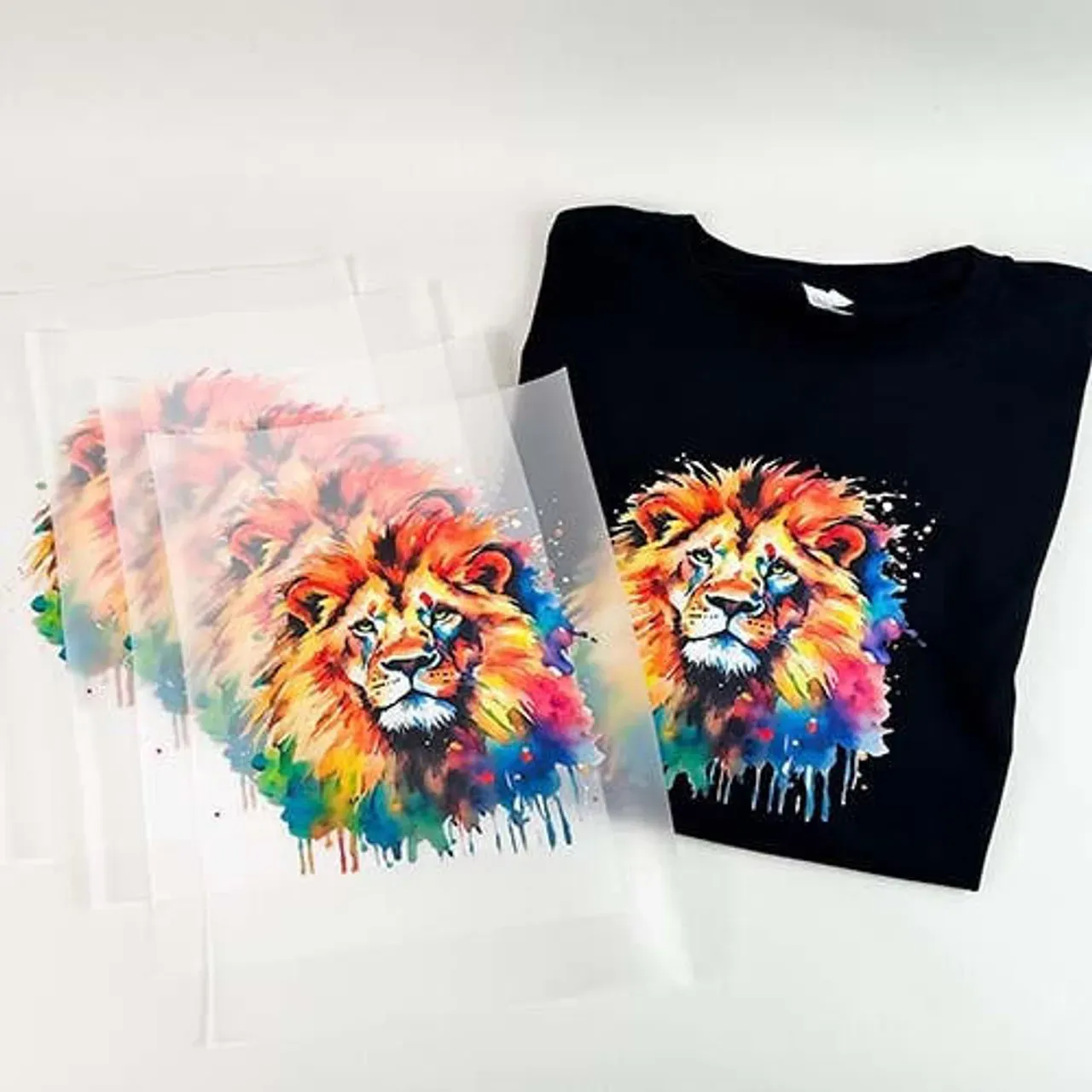
DTF transfer, short for Direct to Film transfer, is revolutionizing the world of custom apparel printing and has become an essential tool for designers and brands alike. This innovative technique allows for stunning, intricate designs to be printed directly onto a special film, which can then be easily applied to a variety of fabrics. With DTF transfer printing, creators can achieve vibrant colors and remarkable detail that truly bring their visions to life. In this process, the DTF design transforms your original concept into high-quality custom apparel transfers that are durable and eye-catching. Whether you are a seasoned professional or a first-time designer, understanding the DTF printing process is crucial for tapping into the limitless possibilities of fabric art.
The world of custom printing has seen the emergence of several advanced techniques, one of which is the Direct to Film application, often referred to by its acronym, DTF. This method is increasingly recognized for its ability to produce high-resolution, colorful prints that can be transferred onto various materials with ease. By utilizing innovative printing technology, designers can create unique apparel designs that stand out in the market. As a result, whether you term it DTF transfer, film-based printing, or custom fabric transfers, this technique offers a versatile solution for businesses and creatives looking to make their mark in the fashion industry.
Understanding DTF Printing Technology
DTF printing technology, or Direct to Film transfer printing, is revolutionizing the custom apparel industry. This technique involves printing designs onto a specialized film that serves as the transfer medium. Unlike traditional printing methods, DTF allows for a wider range of colors and intricate designs that can be applied to a variety of fabrics. This flexibility makes it an ideal choice for fashion designers and small businesses looking to create unique apparel.
Moreover, the DTF process ensures that designs are not only vibrant but also durable. The prints created using this method resist fading and cracking, making them suitable for everyday wear. By understanding the fundamentals of DTF technology, designers can successfully translate their creative visions into high-quality apparel products that stand out in the competitive market.
Essentials of DTF Transfer Components
The success of a DTF transfer relies heavily on its key components: the DTF printer, the transfer film, and the adhesive powder. Each element plays a crucial role in achieving high-quality prints. A DTF printer, specifically designed for this purpose, delivers precision and high-resolution images, allowing even the most intricate designs to come to life. Investing in a reliable printer is fundamental to producing professional-standard transfers.
Similarly, choosing the right transfer film is essential; it must be compatible with the printer's specifications to ensure optimal results. High-quality film not only holds the printed design effectively but also enhances the overall durability of the transfer. Lastly, adhesive powder is sprinkled on the wet ink before heat pressing, ensuring perfect adherence to the fabric. Understanding these components helps aspiring designers choose the best materials for their DTF printing projects.
Steps for Effective DTF Design Conceptualization
The first step to creating a successful DTF transfer involves effective conceptualization of your design. This stage is where imagination meets strategy. Designers should utilize graphic design software like Adobe Illustrator or CorelDRAW, which offers tools for creating high-quality artwork. It's important to brainstorm ideas that align with market trends and target audience preferences, ensuring that the final product is not only aesthetically pleasing but also commercially viable.
Furthermore, considering the original color scheme and design elements early on will facilitate a smoother transition into the technical phases of DTF transfer printing. Using the CMYK color mode during the design process will yield more accurate results once the design is printed, leading to vibrant and eye-catching transfers that truly represent the designer's vision.
Color Considerations for DTF Transfers
Color plays a critical role in the success of any DTF transfer design. Designers must ensure that their color choices translate well onto the various fabrics being used. Not all colors react the same way on different materials, which can lead to discrepancies between the design and the finished product. Understanding color theory and fabric compatibility can greatly improve the outcome of the final print.
Additionally, it's advisable to create prototypes and conduct test prints before the final production stage. This allows designers to see how colors interact with different textures and materials, making necessary adjustments to enhance vibrancy and appeal. By paying close attention to color, designers can optimize their DTF transfers for the best visual impact.
Importance of Test Printing in the DTF Transfer Process
Test printing is a crucial step in the DTF transfer process, allowing designers to evaluate how their designs perform on actual fabric before committing to large runs. During this phase, designers can identify any potential issues, such as color mismatches or inconsistencies in design clarity. Conducting thorough tests enables designers to make informed adjustments to their artwork, ensuring the final product meets high standards.
The feedback gathered from test prints will inform not only cosmetic adjustments but also technical settings on the DTF printer, guaranteeing optimal outcomes. Moreover, this iterative process ensures that the design adheres well to the fabric, which is essential for durability and washability. By prioritizing test printing, designers enhance their confidence in the final product's quality.
Partnering with Reliable DTF Transfer Services
Choosing a reliable DTF transfer service is essential for designers looking to streamline their production process. Specialized companies like Sam's DTF Transfers provide expert assistance, helping to navigate the complexities of design to print transitions. These partners offer not only high-quality printing services but also valuable insights into design optimization, outsourcing technical elements that can save time and reduce overhead costs.
Working with established DTF transfer services allows designers to focus on their creativity while leaving the technical aspects to experts. This collaboration often results in higher quality products, faster turnaround times, and more efficient production flows. By recognizing the importance of selecting the right partner, designers can elevate their brand and enhance customer satisfaction.
Frequently Asked Questions
What is DTF transfer and how does it work in custom apparel printing?
DTF transfer, or Direct to Film transfer, is a revolutionary printing technique used in custom apparel printing. This method involves printing designs onto a special film, which is then transferred onto fabric using a heat press. The DTF process results in vibrant, durable, and intricate designs that can adhere to a variety of fabric types, making it a popular choice for custom apparel transfers.
What materials do I need for DTF transfer printing?
To successfully create DTF transfers, you will need three key components: a DTF printer designed for high-quality graphics, specialized transfer film that holds the printed design, and adhesive powder that bonds the printed film to the fabric. These materials ensure a successful DTF design process with vibrant results.
How can I ensure the quality of my DTF transfer prints?
To ensure high-quality DTF transfer prints, start with conceptualization and create your designs using professional design software. Pay attention to color compatibility with fabric types, conduct test prints to adjust any discrepancies, and follow printer specifications during the printing process. This careful attention to detail will help achieve vibrant and durable results.
What are the advantages of using DTF printing for custom apparel?
DTF printing offers several advantages for custom apparel, including high vibrancy and precise color matching, versatility across various fabric types, and exceptional durability and washability of prints. Additionally, DTF transfers are cost-effective for both small businesses and individual designers, allowing for customization without heavy equipment investments.
Is DTF transfer printing easy for beginners?
Yes, DTF transfer printing can be beginner-friendly, especially with adequate guidance. As a novice, you'll want to familiarize yourself with the DTF design process, practice creating your designs, and utilize reliable DTF transfer services for technical support. With experimentation and practice, you can create beautiful custom apparel using DTF transfers.
How do I apply a DTF transfer to fabric?
To apply a DTF transfer to fabric, follow these steps: first, print your design onto DTF film, then sprinkle adhesive powder over the wet ink and cure it through heat. Finally, place the DTF film onto your fabric, applying heat and pressure with a heat press according to manufacturer instructions. After cooling, peel the film away to reveal your custom design.
| Key Point | Description |
|---|---|
| What is DTF Transfer? | A technique where designs are printed onto a special film for transfer onto fabric using heat. |
| Key Components | Includes the DTF printer, transfer film, and adhesive powder that ensure successful transfers. |
| Steps to Designing | 1. Conceptualization 2. Color Considerations 3. Test Printing 4. Finalizing Design 5. DTF Transfer Printing 6. Applying the Transfer |
| Advantages of DTF Transfers | Vibrant, versatile, durable, and cost-effective printing solution for custom apparel. |
| Choosing the Right Partner | Partnering with a reliable DTF transfer service can enhance the quality of the final product. |
Summary
DTF transfer technology represents a significant innovation in the custom apparel printing landscape. By mastering the process of designing a DTF transfer, you can create eye-catching designs that stand out in the market. DTF transfer not only offers vibrant prints but also enables flexibility across various fabric types, making it a preferred choice for many designers. As you explore this exciting venture, remember that attention to detail in each step from design conception to application will greatly impact your success. Collaborating with experts in the field can further amplify your designs’ potential, setting you on a pathway to thrive in the growing community of DTF printing enthusiasts.