
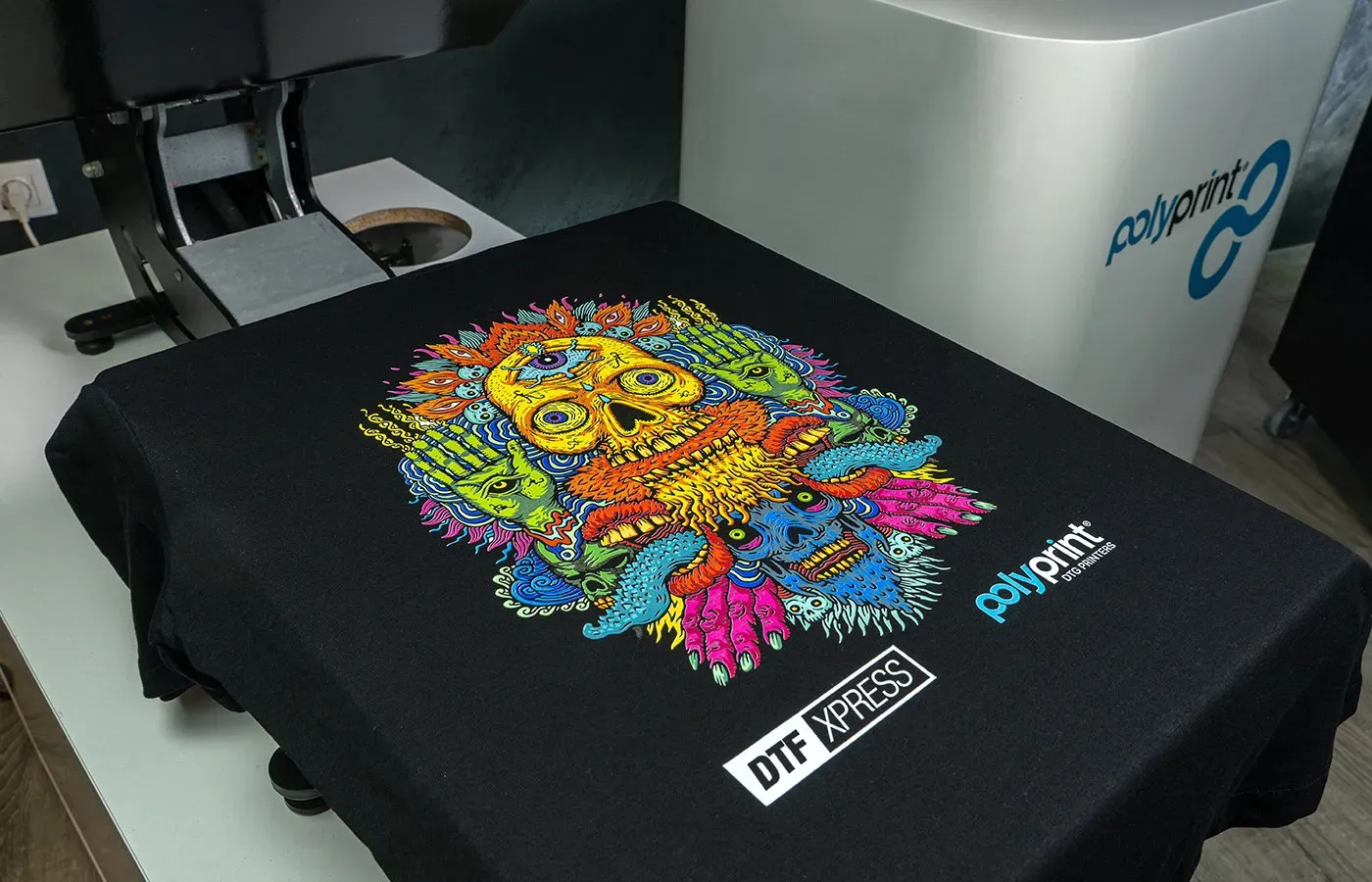
DTF printing, or Direct to Film printing, is rapidly changing the textile printing landscape by offering unparalleled flexibility and quality. This innovative technique utilizes a transfer method that prints vibrant, high-resolution designs directly onto a specialized film, making it easier than ever to create custom textiles. Businesses, artists, and DIY enthusiasts are discovering the many DTF printing advantages, such as durability and ease of use. With the right equipment, including the best DTF printers, anyone can leverage this technology to produce stunning fabric designs. In this guide, we will delve deeper into the DTF printing process and explore how it can elevate your creative projects.
The world of fabric decoration is witnessing a revolution with the adoption of direct to film printing. This modern printing method not only enhances the creative possibilities but also simplifies the overall application of designs on textiles. As more users become familiar with DTF transfer printing, they appreciate its ability to deliver vivid colors and detailed imagery on various fabric types. Whether you’re involved in professional fabric printing or simply enjoy crafting, understanding direct to film printing can tremendously benefit your projects. Let’s delve into the intricacies of this exciting technology, its processes, and its potential for your creative endeavors.
Understanding the DTF Printing Process
The DTF printing process is composed of several crucial steps that collectively ensure high-quality outcomes. To begin with, designs are printed onto a specialized PET film using advanced DTF printers. This unique film is essential as it allows for stunning color reproduction and intricate detailing. As the ink dries on the film, it showcases the vibrant hues and sharpness that DTF printing is known for, making it perfect for detailed graphics and complex designs.
After printing, the next step involves applying an adhesive powder to the wet ink. This step is vital as it ensures that the printed design adheres firmly to a variety of fabric surfaces. Once the adhesive is applied, the film undergoes a curing process in a heat press, which solidifies the adhesive, making it ready for transfer. The final transfer step merges the design with the garment using a heat press, completing the process and producing a high-resolution image that is durable and long-lasting.
Advantages of DTF Printing for Businesses
DTF printing presents several compelling advantages for businesses looking to diversify their product offerings. One of the most notable benefits is the ability to produce vibrant colors and high-resolution images that stand out in the competitive textile market. This makes DTF printing an ideal choice for promotional items and personalized apparel that require intricate designs. Businesses can attract customers with visually striking products that capture attention and communicate quality.
Another significant advantage of DTF printing is its cost-effectiveness, especially for small businesses and startups. Compared to screen printing or direct-to-garment methods, the initial investment and operational costs for DTF printing can be relatively low. With affordable equipment and supplies becoming more accessible, businesses can efficiently produce a wide range of custom prints without sacrificing quality, thus maximizing profit margins.
Best Practices for DTF Printing Success
To achieve the best results in DTF printing, it is essential to utilize quality equipment and materials. Investing in a printer specifically designed for DTF processes not only enhances print quality but also minimizes potential issues during printing. It's advisable to source high-quality PET films and adhesive powders, as these components dramatically impact the longevity and vibrancy of the final product.
Additionally, focusing on the precision of design preparation is crucial. High-resolution images with the appropriate DPI are essential for clear and crisp prints. Utilizing professional graphic design software can aid in creating exceptional visuals that truly take advantage of the DTF printing process. Observing the guidelines and maintaining consistency across prints will also help establish a reliable reputation for your brand in the market.
Exploring Fabric Versatility with DTF Printing
One of the standout features of DTF printing is its unparalleled versatility in fabric application. This method can easily be used on a variety of materials, including cotton, polyester, silk, and even fabric blends. This diversity means businesses can cater to different textile products ranging from t-shirts and hoodies to bags and home decor items. Regardless of the fabric type, DTF printing promises excellent adherence and image clarity.
By not being color-restricted as with traditional fabric printing techniques, DTF printing allows for remarkable creativity in design choices. Users can create intricate designs on both light and dark fabrics alike, making it easier to fulfill customer requests for custom colors and styles. This adaptability not only meets diverse consumer demands but also opens up a wider market for businesses venturing into custom fabric printing.
Embracing DTF Printing for Creative Customization
DTF printing is revolutionizing how creators approach customization in textile printing. With the capability of producing stunning and intricate designs, you can fulfill orders for unique promotional merchandise or one-of-a-kind apparel. Whether for art, events, or merchandise line expansions, DTF printing supports high-output creativity that aligns perfectly with the growing trend of personalized products.
Moreover, the ease of use associated with DTF printing makes it an excellent option for newcomers to the textile printing world. Tutorials and community support abound, helping individuals to learn effective design creation and transfer techniques. This nurturing environment allows even beginners to harness the full potential of DTF technology, expanding their artistic horizons and unlocking new avenues for creative expression.
Skill Development and Mastery in DTF Printing
As you embark on your DTF printing journey, developing your skillset will significantly enhance the quality of your creations. Continuous practice is essential, particularly in mastering heat press techniques, as the consistency of temperature and pressure directly impacts the transfer quality. Engaging with the DTF printing community through forums and social media can aid in sharing tips and expanding knowledge, ultimately helping you refine your skills.
Additionally, staying updated with the latest trends and advancements in the DTF printing industry will better position you for success. Technology and techniques are constantly evolving, and being informed about new equipment or printing methods can allow you to maximize the potential of DTF printing. This commitment to ongoing learning not only cultivates expertise but also ensures that you remain competitive in a rapidly changing market.
Frequently Asked Questions
What is DTF printing and how does it work?
DTF printing, or Direct to Film printing, is a modern fabric printing technique that transfers designs onto textiles through a unique process. First, your design is printed onto a special polyethylene terephthalate (PET) film using a DTF printer. An adhesive powder is then added to the wet ink, which is cured with heat. Finally, the film is heat-pressed onto the fabric, enabling vibrant and durable prints.
What are the advantages of DTF printing over traditional methods?
DTF printing offers several advantages, including vibrant colors, high-resolution images, and exceptional durability. Unlike traditional methods, DTF can be applied to a variety of fabric colors without limitations, allows for intricate designs, and is cost-effective for small businesses and hobbyists due to lower startup costs.
Which are the best DTF printers available on the market?
The best DTF printers typically include popular brands like Epson, Roland, and Mimaki, which are known for their reliability and print quality. Specifically, models that are designed for DTF printing provide optimal results and efficiency, making them ideal for both beginners and experienced users.
How does the DTF printing process differ from direct to garment (DTG) printing?
DTF printing differs from direct to garment (DTG) printing mainly in the application method. DTF prints designs onto a film before transfer, allowing for broader fabric compatibility and better adhesion. In contrast, DTG prints directly onto fabric, which can limit the substrate options and color flexibility compared to DTF.
Is DTF printing suitable for all types of fabrics?
Yes, DTF printing is suitable for a wide range of fabrics, including cotton, polyester, and blends. This versatility makes DTF an excellent choice for various applications, from apparel to home decor, enabling businesses to cater to diverse textile needs.
What are some tips for beginners to succeed in DTF printing?
Beginners should invest in quality DTF printers and materials, experiment with various designs, and master heat press techniques for optimal results. Focusing on high-resolution designs and staying updated with the latest DTF printing trends can also enhance the printing experience and quality.
| Key Point | Description |
|---|---|
| What is DTF Printing? | DTF printing involves transferring designs onto fabrics using a special plastic film, resulting in vibrant colors and durability. |
| The DTF Printing Process | 1. Printing onto PET film 2. Applying adhesive powder 3. Curing in heat press 4. Transferring onto fabric |
| Versatility of DTF Printing | Applicable to various fabrics - cotton, polyester, silk, etc. |
| Advantages of DTF Printing | 1. Vibrant colors and high resolution 2. Durable prints 3. Cost-effective for beginners 4. User-friendly 5. No limitations on fabric color |
| Tips for Beginners | 1. Invest in quality equipment 2. Experiment with designs 3. Focus on design quality 4. Master heat press techniques 5. Stay updated with trends |
Summary
DTF Printing is revolutionizing the textile printing landscape by offering unparalleled versatility and quality. This innovative technique allows artists, businesses, and hobbyists to produce stunning and durable designs on a wide range of fabrics. With DTF printing, vibrant colors and high-resolution images come to life, making it an ideal choice for customized apparel and items. Its affordability and ease of use further enhance its appeal, especially for newcomers to the printing world. As the technology continues to evolve, embracing DTF printing can pave the way for creative possibilities in fabric decoration. Explore and harness the power of DTF printing to elevate your textile projects today!