
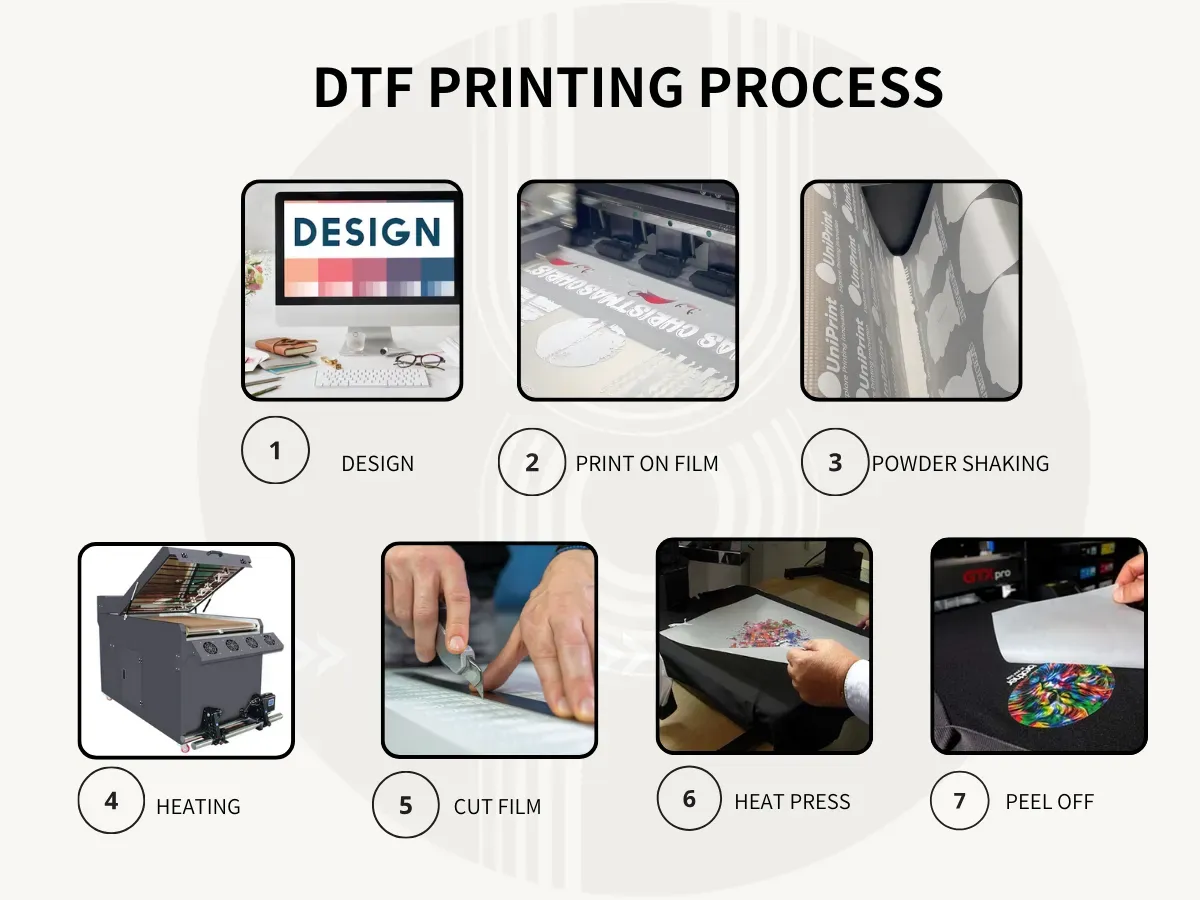
DTF print finishing is the decisive final step that transforms vibrant, soft-to-the-touch transfers into durable designs you can wear again and again, even after repeated washing. A thoughtful finishing routine strengthens the bond between the printed film, adhesive, and fabric, while preserving color brightness and the hand feel. Key elements include precise pre-press prep to remove moisture, calibrated heat-press settings, and the use of protective barriers to prevent scorching. A controlled cooling and curing stage helps the adhesive fully set, reducing micro-cracking and edge wear during washing. In this guide, you’ll find practical, field-tested steps designed to keep prints looking bold and enduring across many wear cycles.
Viewed from another angle, the same finishing concept can be described through terms like adhesion maintenance and post-transfer care designed to extend life. LSI-friendly terms like cure-time optimization, barrier layering, and controlled cooling reflect the essential goals of the finishing phase. To keep this relevant for searches, apply DTF durability tips by calibrating heat, time, and pressure to the fabric and adhesive you use. Alternative phrasings like heat-press protocols, finishing strategies, and best practices can help cover related search queries. Following these concepts helps ensure prints remain vibrant, flexible, and resistant to cracking after repeated washing. By framing the topic this way, you also align the copy with common search intents that readers expect when researching durable DTF outcomes. Whether you call it finishing, post-transfer care, or adhesion optimization, the goal remains the same: reliable, long-lasting prints. To keep readers grounded, include practical examples such as pre-press checks, calibrated heat cycles, and testing across fabrics. This wider wording helps attract both technical readers and casual designers looking for clear guidance on how to maximize product life. In summary, using varied terminology while anchoring to reliable practices helps your content rank for related terms and deliver real value.
DTF print finishing Foundations: How Finishing Drives Durability
DTF print finishing is not a single action but a designed sequence that strengthens the bond between the printed film, adhesive, and fabric. A robust finishing phase reduces micro-cracking, fading, and delamination, preserving color brightness and hand-feel. Understanding this process is the first step in applying practical DTF durability tips and adopting reliable finishing techniques.
During finishing, you manage pre-press preparation, heat pressing, cooling, curing, and post-press care. When you optimize this sequence, you see improvements in adhesion and longevity that align with best practices for DTF prints and DTF print finishing techniques.
Heat-Pressing DTF: Optimizing Temperature, Time, and Pressure
The core of finishing is the heat-press cycle. For most DTF applications, a controlled, moderate-to-high pressure at a precise temperature range yields the strongest bonds. Typical starting points: 150–160°C, 10–20 seconds, medium to firm pressure. These settings need tailoring to fabric type and adhesive; always validate with test patches first.
Consistency is key. Once you settle on parameters for a material, apply them uniformly across runs to maintain durability. Document parameters and maintain a standard operating procedure to support best practices for DTF prints.
Curing Phase and Cooling: The DTF Curing Process Explained
After transfer, allow the print to cool for several minutes to enable full-strength bonding and reduce delamination risk during wear or washing. If equipment offers post-press cooldown, use it; a controlled warm environment helps the curing process settle evenly.
A deliberate cooling phase also reduces gloss fluctuations and edge peeling, contributing to longer-lasting color and texture. Consider adding a brief post-press dwell if your adhesive allows; this can improve the uniformity of cure.
Protective Barriers and Finishing Layers: Elevating DTF Durability
Using a protective barrier like a silicone sheet or parchment prevents scorching and creates an even finish, supporting durable adhesion. This is a core part of DTF print finishing techniques and aligns with DTF durability tips.
Optional coatings or topcoats can extend wear in rugged environments or high-friction fabrics, but must be tested for compatibility with the adhesive and fabric to avoid stiffness or cracking. This is part of best practices for DTF prints and DTF durability tips.
Wash Testing and Real-World Validation: Confirming Finishing Durability
Durability claims are proven in real-world use. Run wash tests on representative samples, turning garments inside out, using mild detergents, and avoiding high-heat drying. This practice aligns with DTF durability tips and is a practical application of DTF print finishing techniques.
After initial washes, inspect adhesion at edges and color retention. Document results and adjust parameters as needed to ensure consistent performance across fabrics and adhesives, strengthening your best practices for DTF prints.
Standardizing Finishing Across Fabrics: A Practical Production Guide
Fabric type drives the finishing cycle. Cotton, blends, and synthetics require different heat, time, and pressure; calibrate your heat press accordingly and validate with patches. This is a core aspect of heat pressing DTF and is essential to reproducible durability.
Develop SOPs, train staff, and maintain documentation of test results. Standardization helps ensure uniform results for different fabrics and supports ongoing commitment to best practices for DTF prints and DTF durability tips.
Frequently Asked Questions
What are the essential DTF print finishing techniques to maximize durability?
A robust DTF print finishing techniques sequence includes proper pre-press, controlled heat pressing, careful curing, protective barrier use, and thoughtful post-press care. Following DTF durability tips and standardizing parameters across fabrics helps ensure lasting adhesion, color brightness, and a soft hand-feel.
How should heat pressing DTF be adjusted for different fabrics during finishing?
During heat pressing DTF, tailor temperature, time, and pressure to the fabric type and adhesive. Typical starting points are 150–160°C for 10–20 seconds with medium to firm pressure, then adjust for cotton, blends, or synthetics. Use a silicone sheet and run test patches; follow best practices for DTF prints to maintain durability.
What is the DTF curing process and why is cooling important?
The DTF curing process involves allowing the adhesive bond to reach full strength after transfer. Cooling is important to prevent delamination and promote a uniform cure; use a post-press cooldown when available and avoid rapid temperature changes.
What are common finishing issues in DTF print finishing techniques and how can I fix them?
Common issues include cracking at edges from insufficient curing or excessive pressure, fading from uneven heat, and peeling at corners due to improper pre-press. Address these by revising cure time, ensuring uniform pressure, and following DTF print finishing techniques with test patches.
How can I validate the durability of DTF prints during finishing?
Run wash tests and wear trials on representative samples to verify long-term performance. This aligns with DTF durability tips and best practices for DTF prints, helping you fine-tune heat, time, and pressure for reliable results.
What finishing steps can I add to enhance durability without sacrificing hand-feel?
Consider a light topcoat or protective layer that’s compatible with your adhesive and fabric, then test for stiffness and feel. These DTF print finishing techniques can boost durability while preserving color and texture, provided you validate compatibility first.
| Aspect | Key Point | Details |
|---|---|---|
| Purpose of finishing | Reinforces bond and durability | Finishing is a sequence that improves adhesion, heat exposure, cooling, and post-press care to protect artwork from cracking, fading, and peeling. |
| Durability Drivers | Adhesive bond strength, heat-press integrity, curing after transfer | Rushing finishing can cause micro-cracking, dull colors, or adhesive failures at creases and seams. |
| Workflow Steps | Pre-press, Heat-press, Curing & Cooling, Washing & Care Testing, Optional Enhancements | Each step contributes to bond strength and longevity; protective barriers and proper cooling are key. |
| Pre-press & Fabric Prep | Remove moisture, flatten fibers, protect with barrier | Brief pre-press (2–4 s) for cotton/blends; inspect wrinkles; place silicone sheet/parchment; center design. |
| Heat-Press Settings | Temperature, time, pressure tuned to fabric/adhesive | Common starting: 150–160°C, 10–20 s, medium–firm pressure; use protective sheet; validate with test patches. |
| Cooling & Curing | Cool and cure print fully | Cool for minutes post-press; post-press cooldown can aid even curing; controlled warm environment can help even curing. |
| Post-Press Care & Wash Testing | Wash tests; care instructions | Inside-out washing, mild detergents, low-heat drying; inspect color retention and adhesion after wash. |
| Common Challenges | Cracking, Fading, Peel, Stiff feel | Causes include improper curing, uneven heat, excessive pressure; remedies include adjusting cure time, pressure, barrier materials. |
| Tips & Best Practices | Calibrated heat press, test patches, pre-press, consistency, cooldown | Follow adhesive/film manufacturer settings; standardize across batches; document results. |
Summary
Conclusion paragraph will go here.