
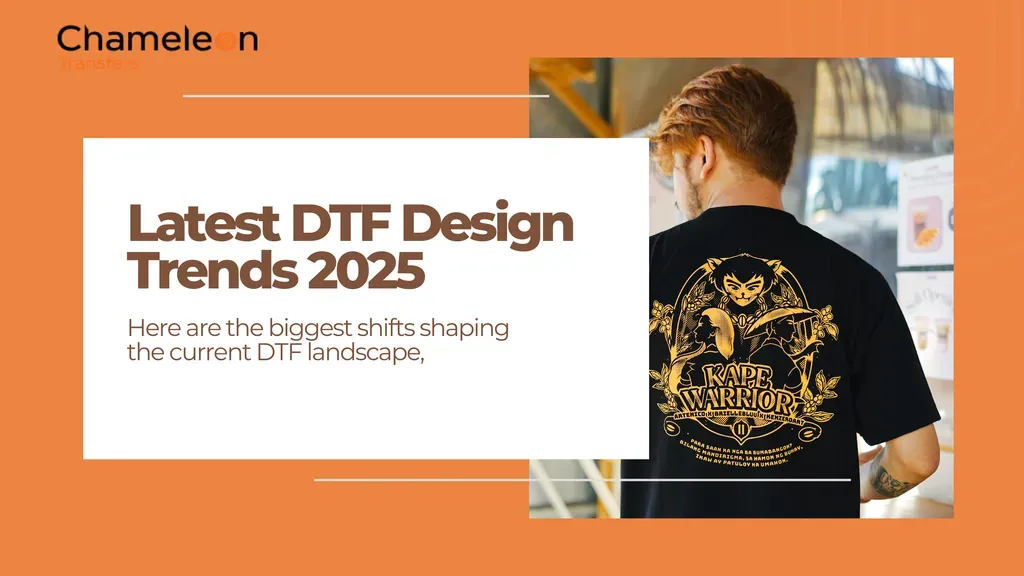
DTF design trends are reshaping the apparel and textile markets as 2026 approaches, influencing brand storytelling, product development, and regional production strategies. This overview explores which motifs are most likely to sell and why Direct-to-fabric printing trends continue to influence speed, cost, and customization across categories, markets, and channel strategies. From bold all-over graphics to color-forward palettes, these shifts reflect consumer cravings for vibrant, durable finishes on a wide range of fabrics that perform well in wear. For designers and print shops, aligning with these movements can boost appeal and revenue while supporting more sustainable production practices and building trust with customers. By combining practical tips with trend insights, the piece serves as a ready-to-use guide for creating market-ready DTF outputs that scale across product lines.
Viewed through the lens of related concepts, the same trend can be described as fabric transfer decoration, digital textile printing on textiles, or dye-on-fabric art that elevates consumer customization. This LSI-friendly language helps connect the topic to broader discussions of garment decoration technologies, pigment-based transfers, and eco-conscious ink systems. As brands explore sustainable DTF workflows and scalable production, these alternative terms guide content that aligns with searches about eco-friendly inks, durable finishes, and faster turnarounds. In practice, designers can leverage this vocabulary to expand reach while keeping a tight focus on practical application and visual impact.
DTF design trends for 2026: Bold graphics and all-over prints
In 2026, DTF design trends favor bold graphics that dominate fabrics. Direct-to-fabric printing enables large-scale motifs and all-over prints that grab attention from a distance and reward close inspection. The flexibility of DTF textiles trends allows designers to deploy modular tile assets and scalable vector graphics that can be recombined across collections, maintaining coherence while offering variety. This aligns with the capabilities of DTF printing 2026 to reproduce vibrant colors, sharp lines, and complex gradients on multiple textile types.
Brands that adopt a library-driven approach reduce waste and speed time to market. Start with a design library of core motifs, color palettes, and pattern sets that can be mixed and matched. A well-curated library also supports sustainable DTF designs by enabling more efficient production planning and easier lifecycle updates. The core idea is to translate trendful visuals into repeatable assets that scale across products while preserving quality and appeal.
Color-forward palettes and gradient effects in Direct-to-fabric printing trends
Direct-to-fabric printing trends in 2026 showcase color-forward palettes with high saturation, neon accents, and retro-inspired combinations. The ability to render smooth gradient transitions across fabrics lets designers push artful prints, typographic blends, and nature motifs with depth. The use of gradient effects aligns with how DTF textiles trends can create rich color narratives across garments and accessories.
Managing color becomes critical. Invest in color management workflows and standard profiles for cotton, blends, and synthetics to ensure consistent results across batches. This reduces waste and strengthens brand trust, supporting on-demand production strategies that are common in DTF printing 2026.
Textures and tactile finishes elevating DTF prints
Texture adds a tactile layer to visuals, with matte, gloss, and soft-touch finishes achievable through ink layering and post-print processing. Designers experiment with faux textures—embossed-like effects, suede simulations, or subtle shine—that elevate perceived value without requiring hardware changes. These touches align with the broader DTF design trends toward dimensionality and premium feel.
The challenge is balancing texture with durability across fabrics. Careful ink layering, efficient curing, and compatible fabrics ensure that grip and hand feel stay consistent after washing. The resulting tactile effects can differentiate products in a crowded market, appealing to premium segments and gifting categories.
Nature-inspired motifs meet urban aesthetics in DTF textiles trends
Nature-inspired motifs like botanicals, marine life, and landscapes continue to resonate, but urban aesthetics—street art, cyberpunk elements, and geometric cityscapes—offer dynamic counterpoints. DTF textiles trends thrive on merging these worlds into prints that feel both organic and futuristic, enabling lifestyle and fashion lines to cater to diverse audiences. The versatility of DTF printing 2026 supports both delicate natural motifs and bold urban statements within a single collection.
Brands can mix natural palettes with industrial textures to create versatile offerings. This approach aligns with market expectations across streetwear, athleisure, and home textiles, while keeping production efficient via scalable vector motifs and consistent color pipelines. Such crossovers broaden appeal and help retailers test concepts quickly.
Sustainability as a core driver in DTF design trends
Sustainable DTF designs take center stage as consumers demand transparency and responsibility. Choosing water-based inks, recyclable films, and energy-efficient workflows reduces environmental impact while preserving print quality. In 2026, sustainability is not a niche feature but a baseline expectation that can differentiate brands in crowded markets.
Communicating environmental benefits clearly—through product descriptions, labeling, and marketing—builds trust and loyalty. Designers can leverage sustainable DTF designs to justify premium pricing or bundle offers, while retailers highlight eco credentials to attract conscious shoppers and boost loyalty.
Practical playbook for designers: aligning with the 2026 DTF design trends
Build a robust design library of core motifs, color palettes, and scalable patterns that can be applied across garments, bags, and accessories. This simplifies production planning and ensures consistent branding across Direct-to-fabric printing trends across product lines. A modular approach also supports DTF printing 2026 by enabling rapid iteration and versioning.
Focus on test prints, color management, and fabric-specific profiles to minimize waste and optimize outcomes. Diversify product applications beyond T-shirts to hoodies, jackets, bags, and home textiles to maximize utilization of proven prints. Finally, offer customization options—templates, monograms, and on-demand variations—to meet rising demand for personalized apparel while maintaining efficient workflows.
Frequently Asked Questions
What are the top DTF design trends to expect in 2026?
DTF design trends for 2026 emphasize bold all-over graphics, color-forward palettes, and textured finishes. Designers mix nature-inspired motifs with urban art and leverage sustainable, customizable options to keep products fresh and scan-friendly for e-commerce.
How do sustainable DTF designs influence product strategy in 2026?
Sustainable DTF designs rely on water-based inks, recyclable films, and energy-efficient workflows. By highlighting sustainable DTF designs in product messaging, brands can meet growing consumer demand and strengthen trust across the DTf textiles trends landscape.
What makes all-over prints a key trend in DTF textiles trends, and how can brands implement them?
All-over prints deliver strong visual impact and versatility. Implement them with modular vector graphics, scalable design sets, and a cohesive color system to maintain consistency across collections, aligning with DTF design trends and Direct-to-fabric printing trends.
How do color-forward palettes and gradients fit into DTF printing 2026?
DTF printing 2026 enables vibrant gradients and smooth color blends, so designers are embracing high-saturation hues, neon accents, and retro-inspired combinations to stand out in a crowded market.
What practical steps can designers take to stay ahead with DTF design trends?
Build a reusable design library of motifs and palettes, implement robust color management across fabrics, conduct regular test prints, and offer customization options to align with evolving DTF design trends and customer expectations.
Which markets benefit most from DTF textiles trends, and how should designs be tailored?
Streetwear and athleisure markets favor bold graphics and oversized patterns, while kids lines prefer bright, easy-care palettes. Home decor through tote bags and wall textiles also presents opportunities—tailor designs to each segment to maximize appeal within DTF textiles trends.
| Topic | Key Points | Notes |
|---|---|---|
| Understanding DTF and why it matters | DTF stands for direct-to-fabric printing; prints designs onto transfer films and then transfers to fabric. Enables vibrant colors, complex gradients, and durable prints on many textiles. Benefits include customization options, shorter lead times, and the ability to test multiple designs before committing to larger runs. By 2026, demand grows for flexible, scalable, cost-effective printing solutions. | |
| Bold graphics and all over patterns | Rise of bold, statement graphics and large-scale patterns that cover entire garments; all-over prints with geometric shapes, abstract art, and oversized typography. | |
| Color forward palettes and gradient effects | Color-forward palettes with high saturation hues, neon accents, and retro combos; gradients add depth to art, typography, and nature motifs. | |
| Textures and tactile finishes | Matte, gloss, and soft-touch finishes simulated by ink layering and finishing; simulations of embroidery, suede-like textures, or faux leather looks to increase perceived value. | |
| Nature inspired motifs and urban aesthetics | Botanical, marine, landscapes alongside urban motifs like street art and cyberpunk; balanced mix offers flexibility for lifestyle and fashion customers. | |
| Sustainability and ethical considerations | Use water-based inks, recyclable films, and energy-efficient workflows; sustainability becomes a market requirement; communicate sustainability stories to build trust. | |
| Practical tips for designers and brands | Develop a design library; test prints and color management; diversify product applications; offer customization options; emphasize sustainable design as selling point. | |
| Market specific considerations | Streetwear/athleisure favor bold graphics; kids/family lines favor bright palettes and easy-care prints; home decor items present growth opportunities. | |
| Case examples and reader takeaways | Limited editions with bold all-over prints and gradients; sustainable capsules with botanical motifs illustrate how ideas translate to real sales. | |
| What comes next after 2026 | Faster ink cure times, better wash resistance, more vibrant color reproduction; data-driven forecasting and automated workflows help pre-plan drops and test ideas. |
Summary
DTF design trends for 2026 and beyond emphasize bold aesthetics, color versatility, sustainability, and customization. By aligning product development with direct-to-fabric printing trends and staying open to evolving textile technologies, designers and brands can deliver compelling garments that sell well across multiple channels. The right mix of stylish graphics, responsible materials, and efficient production can position a brand to thrive as fashion and consumer expectations continue to evolve. Embrace the trends, invest in smart workflows, and keep the message about sustainability clear to maintain relevance in a competitive market.